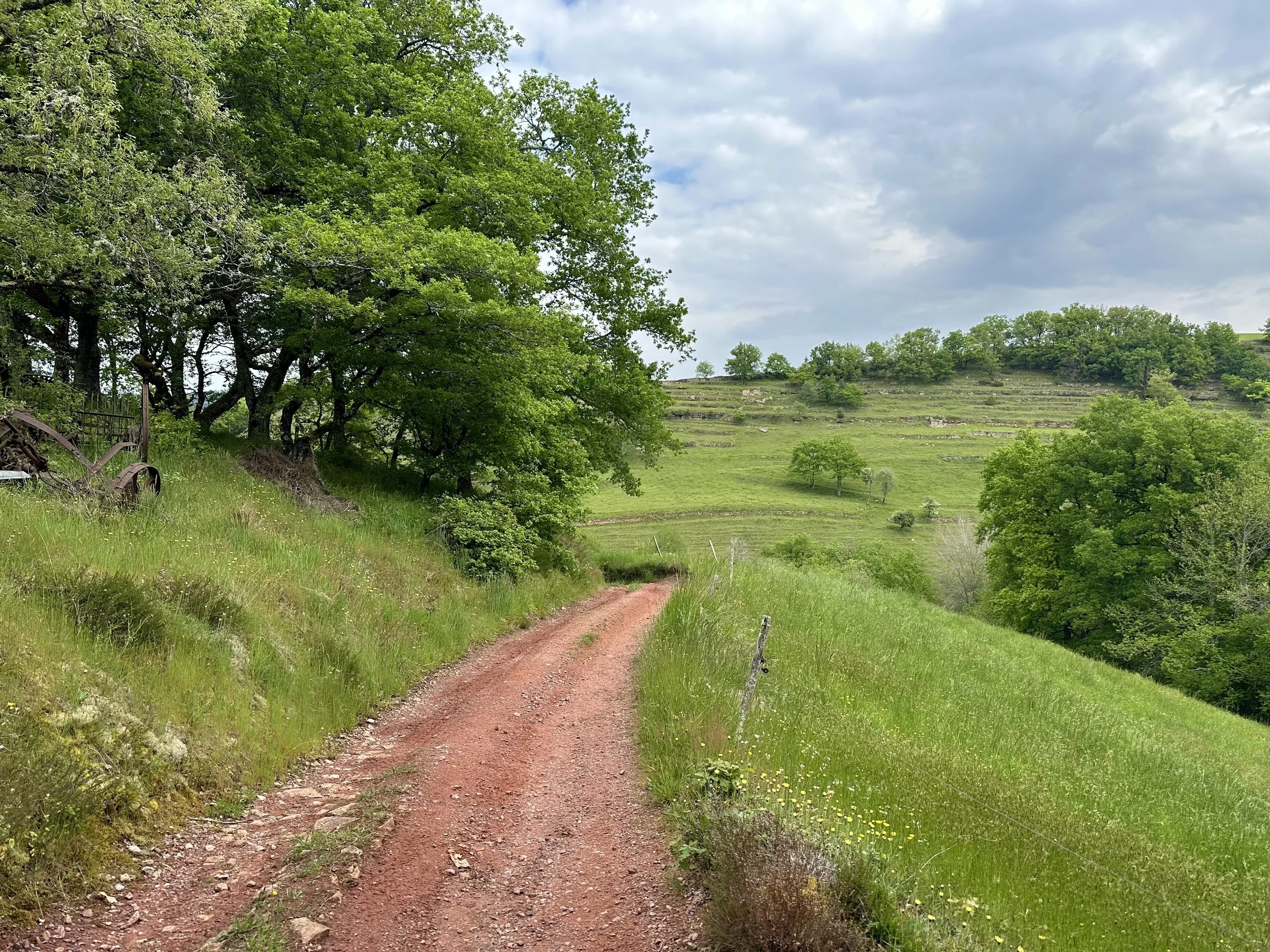
Via Podiensis le Puy Camino
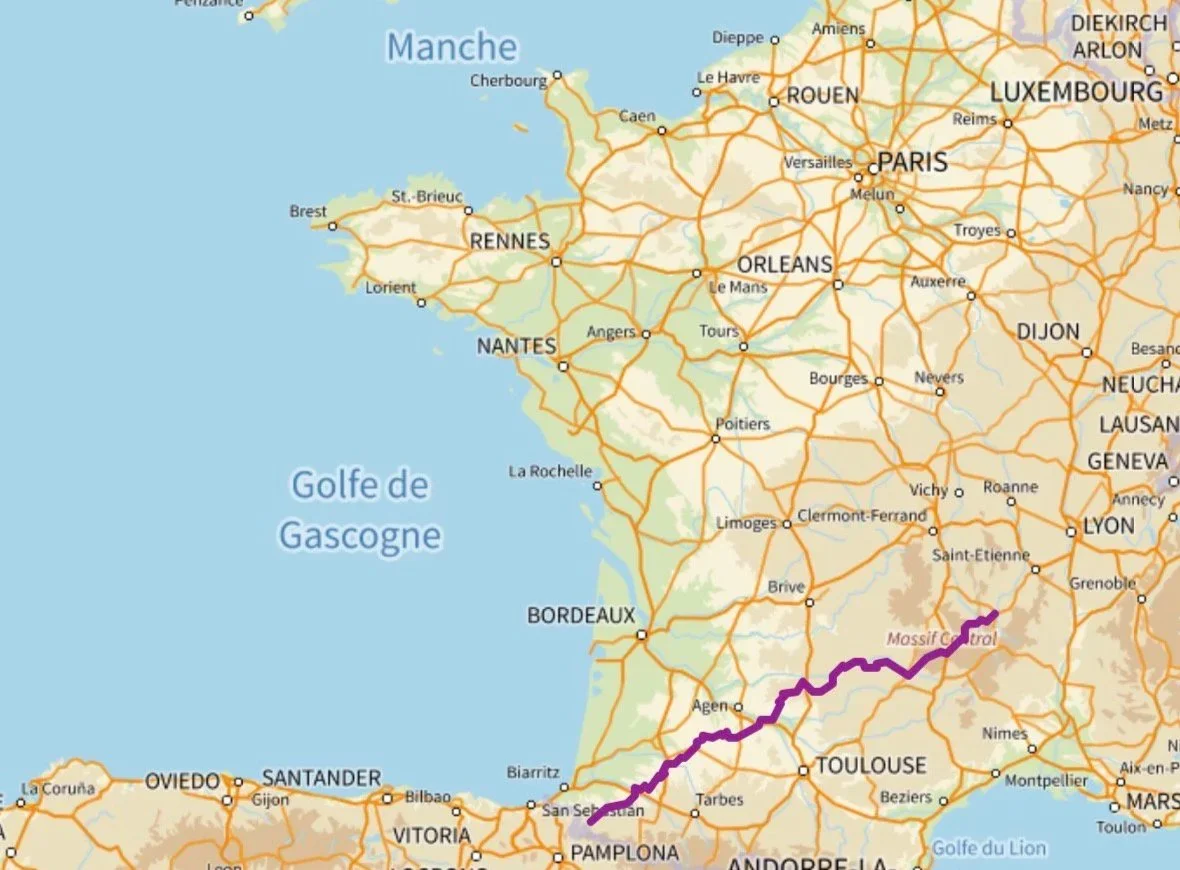
The Via Podiensis
The Via Podiensis
If you’re thinking about walking the Le Puy route, you’re in the right place.
The Via Podiensis is one of the most beautiful and well-established Camino routes — but preparing for it can feel overwhelming at first. There’s information everywhere, and it’s not always clear what you actually need to know.
That’s where we come in.
Between us, we’ve walked this route extensively and supported thousands of pilgrims as they prepared for their own journey
You might be wondering:
Where do I begin?
How do I find my way?
Where will I sleep?
How difficult is it, really?
Do I need to speak French?
How much does it cost?
Where should I start?
These are exactly the right questions to ask.
The good news? The Le Puy route is exceptionally well waymarked, rich in accommodation, and entirely manageable with thoughtful preparation.
With the right information, it becomes not overwhelming — but deeply rewarding.
Our goal is simple:
To offer clear, reliable, experience-based guidance, so you can prepare well, and walk with confidence.
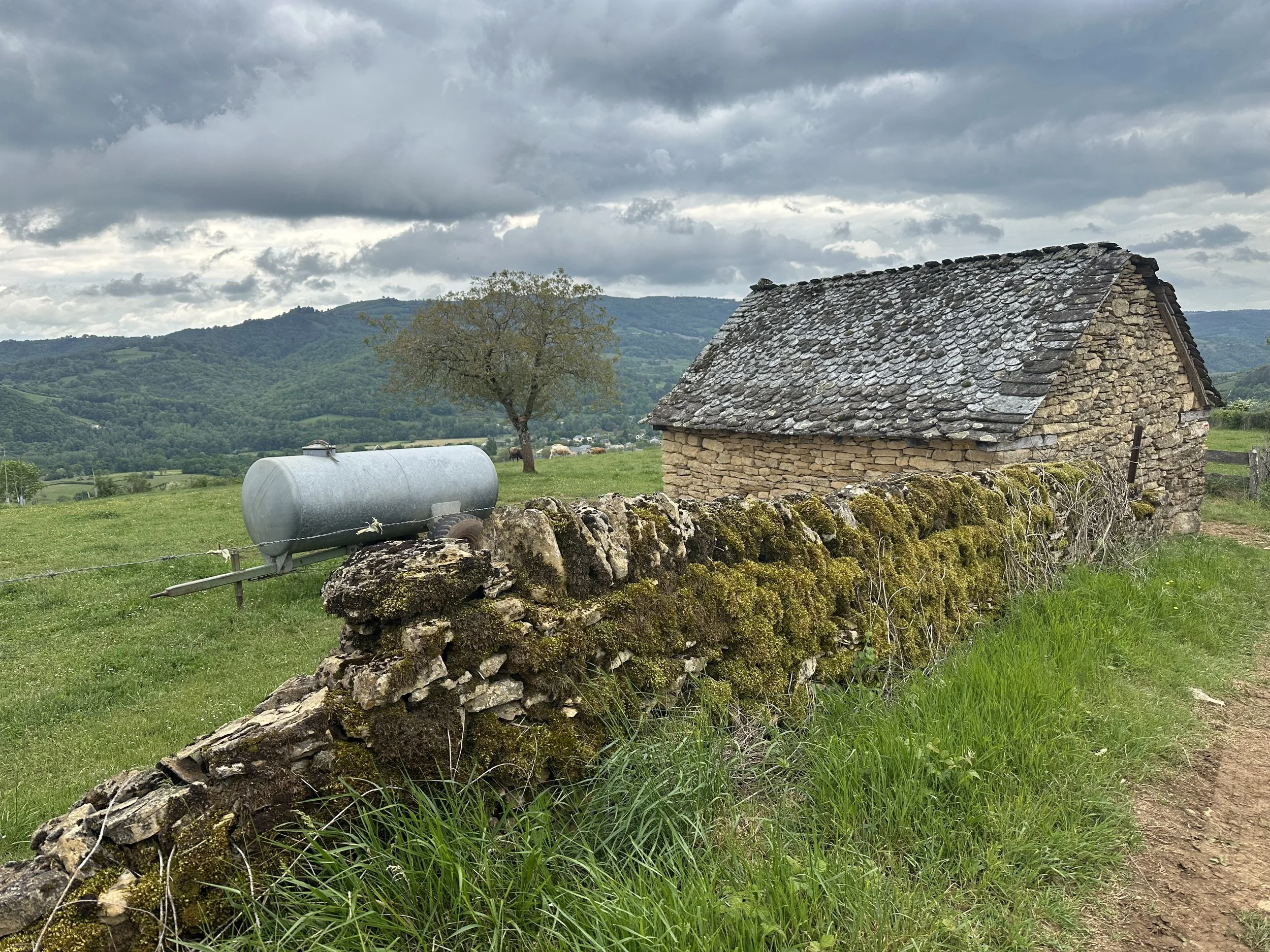
Helping you understand, prepare and navigate the way.
Helping you understand, prepare and navigate the way.
On this site you’ll find:
A clear overview of the route
Practical planning guidance
Answers to frequently asked questions
Trusted, experience-based resources to help you prepare with confidence
You can explore our Via Podiensis Guide for detailed route planning, or join our French for the Camino course to feel more confident communicating along the way.
We’re Here to Help You Walk Well
Approximately 740 km from Le Puy-en-Velay to Saint-Jean-Pied-de-Port
The oldest and most popular St. James route in France
Marked as GR 65, well maintained and easy to follow
Typically takes 32–35 days to complete (though many walk it in sections)
Main walking season: mid-April to mid-October
Two principal variants: Célé Valley and Rocamadour
Accommodation primarily in welcoming gîtes, many offering communal meals
The majority of pilgrims are French; even basic French enhances the experience
A Quick Overview of the Via Podiensis
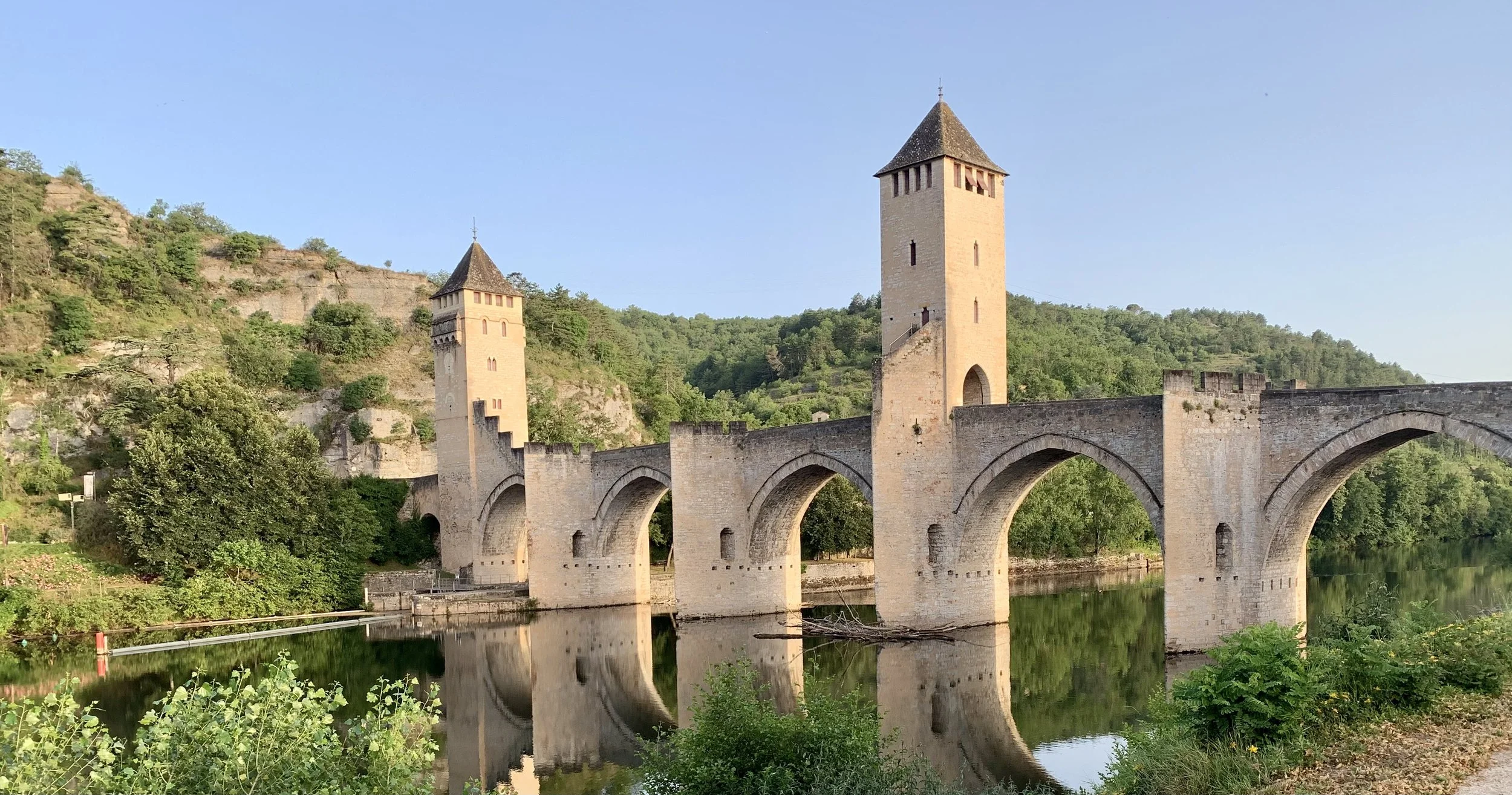
More Than a Trail
Stretching across southwest France, the Via Podiensis weaves centuries of pilgrimage into a singular walking experience. Also known as the Chemin du Puy, this historic path has guided seekers and wanderers for over a thousand years.
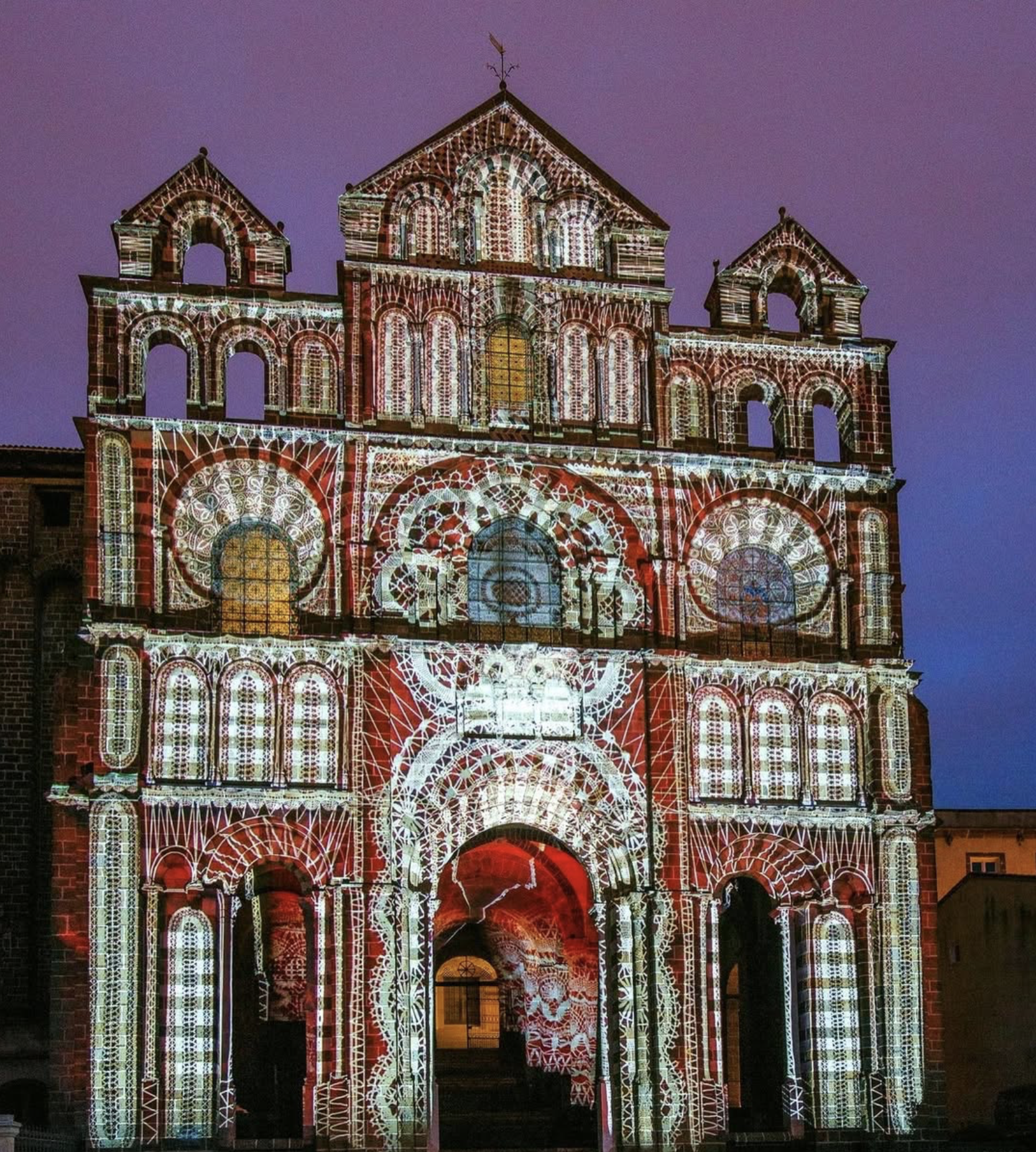
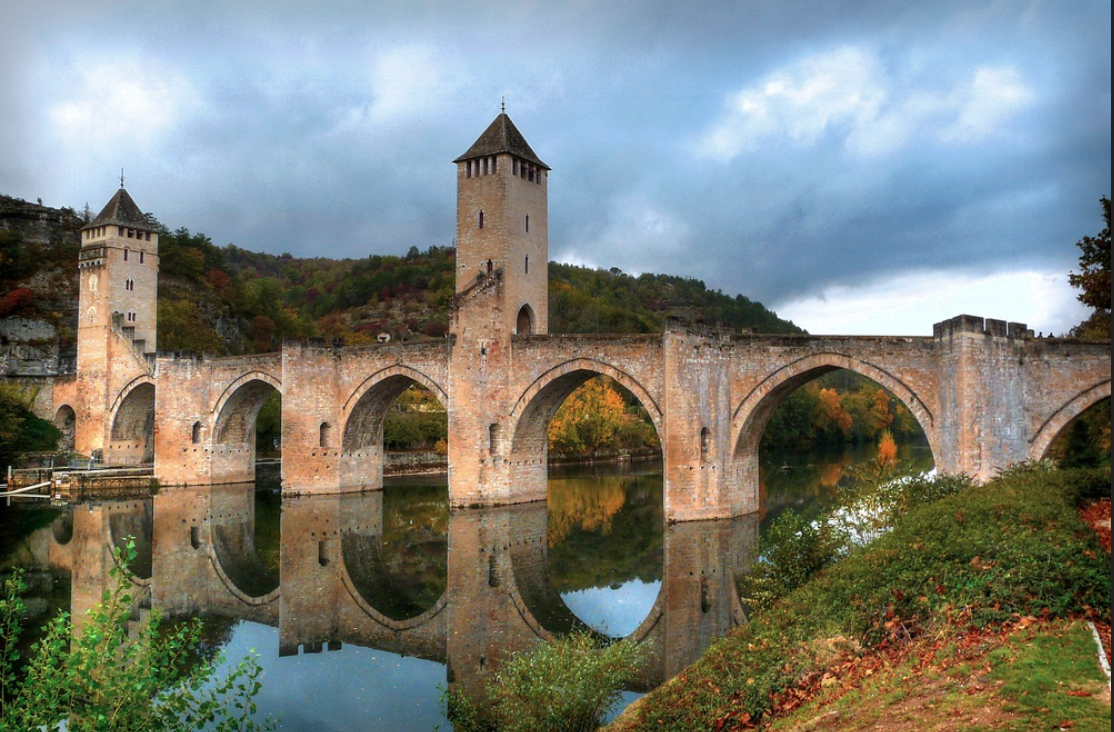
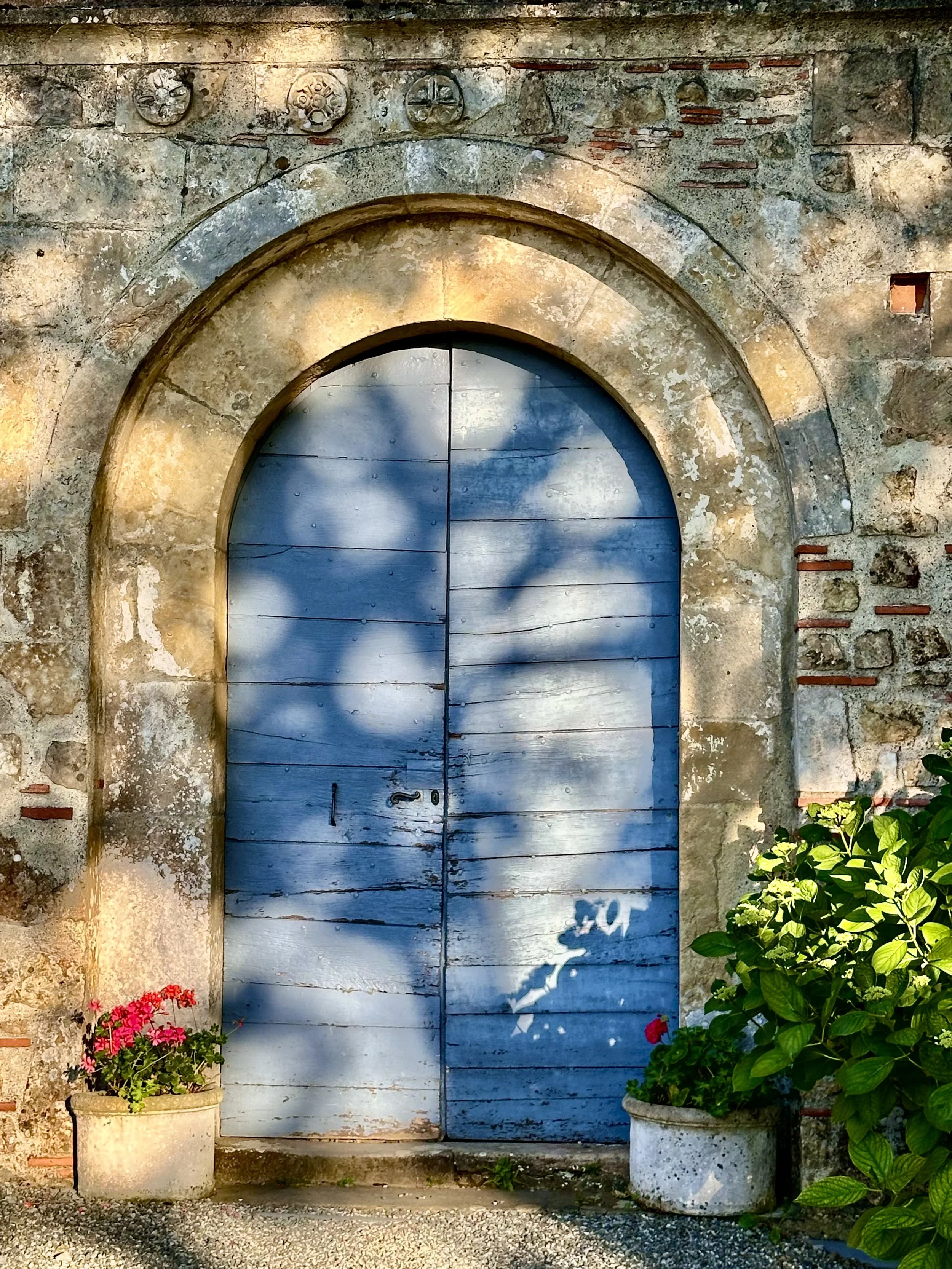
Pilgrims follow sunlit lanes, shaded forest tracks, and stone-built hamlets. They pass Romanesque churches, medieval bridges, and villages classified among Les Plus Beaux Villages de France. They rest in monasteries that have sheltered walkers since the Middle Ages.
Each day offers a new slice of French life: local markets, warm cafés, shared tables, and the steady rhythm of footsteps linking hearts and horizons.
Whether you walk for spiritual reflection, cultural discovery, personal challenge, or the simple joy of moving through landscape at human pace, the Via Podiensis offers something rare — the deep satisfaction of traveling slowly through history.
Lace Your Boots — Pack Light
The Path is Waiting
For much more information about this wonderful Camino, click below
Follow us on social

Contact Us
Please contact us with any questions you might have