Plan Your Walk
Via Podiensis: Your Questions Answered
Section 1 Quick Answers to Common Questions
1. About the Route
What is the Via Podiensis like as a walking journey?
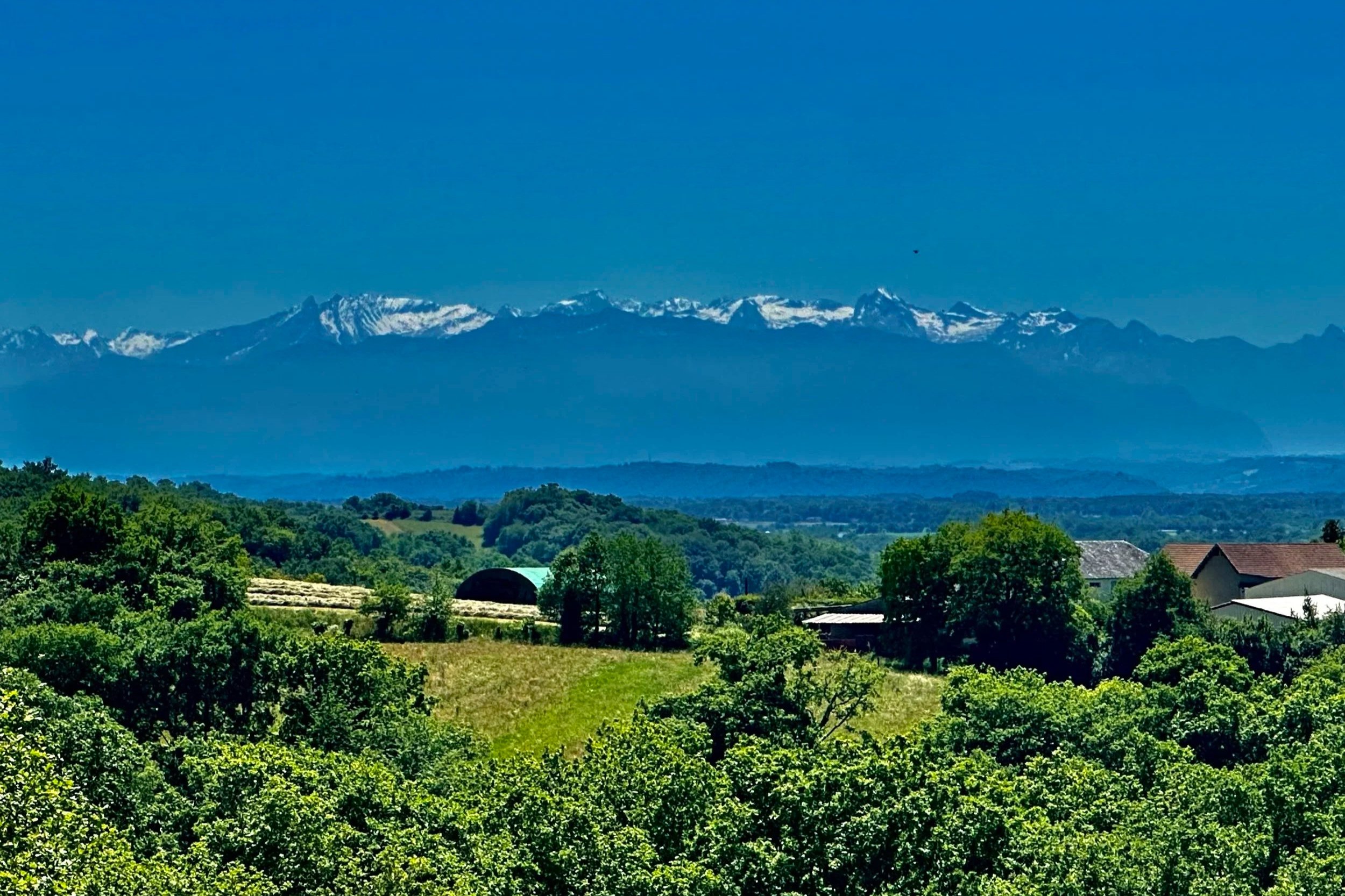
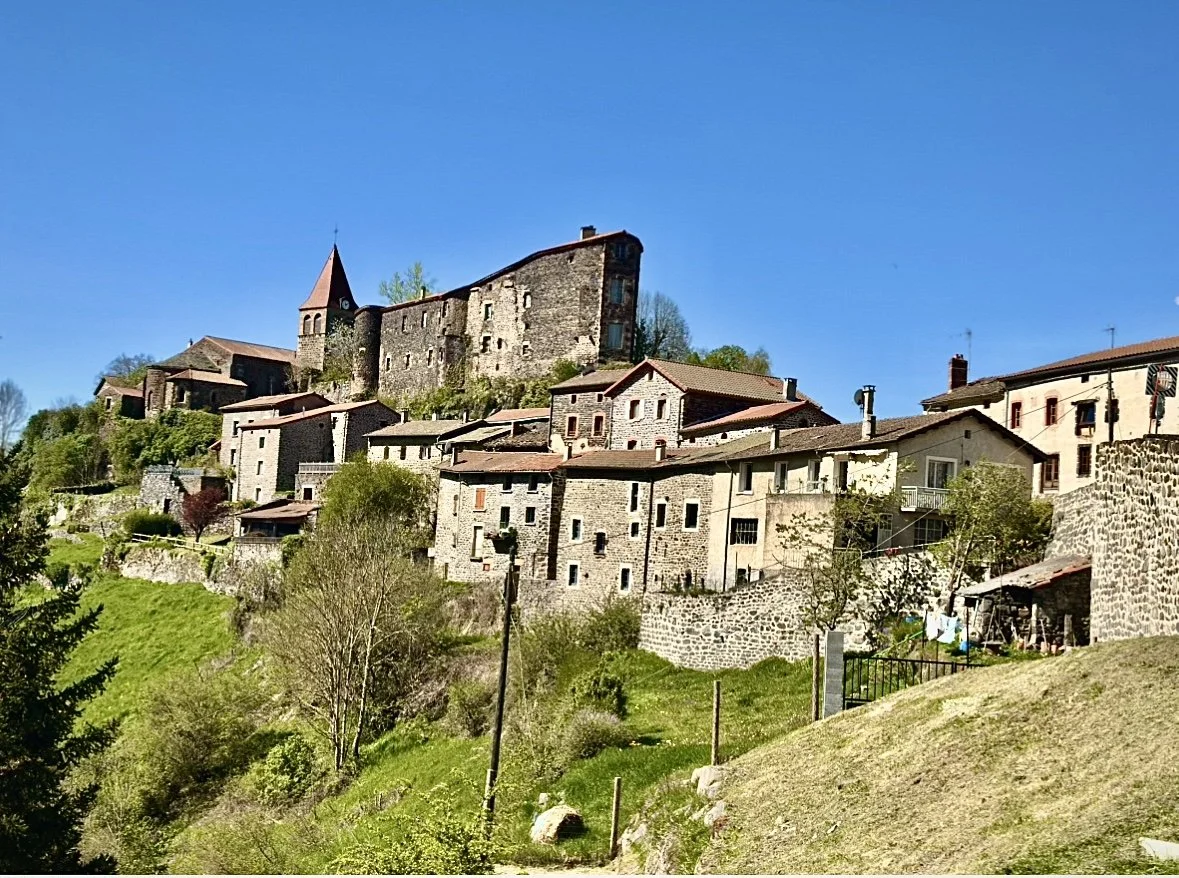
The Le Puy route combines breathtaking countryside, historic villages, and spiritual reflection:
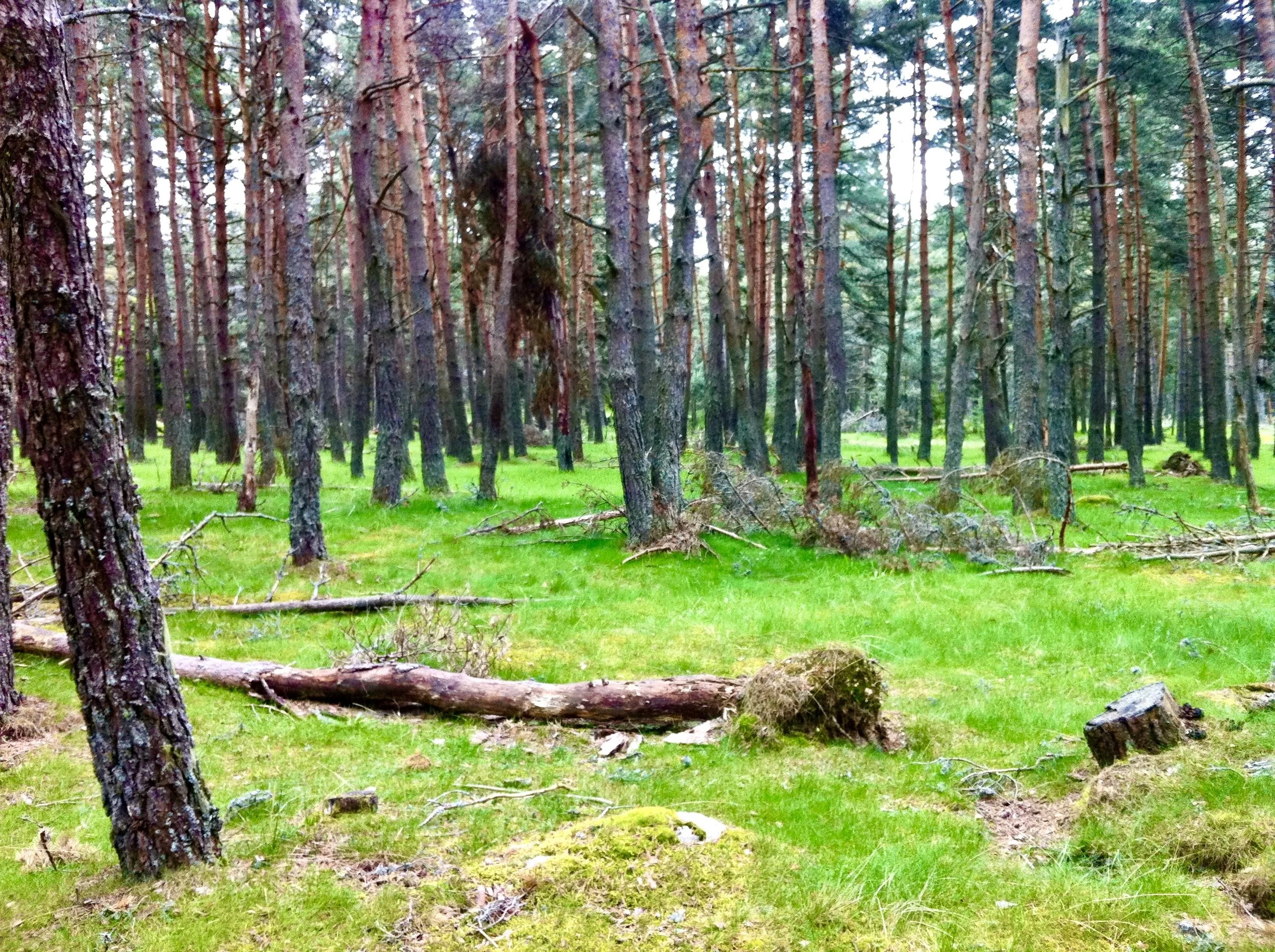
Aubrac plateau: wide skies, volcanic highlands
Lot and Tarn valleys: river gorges, vineyards
Gascony hills: rolling greenery, quiet rural landscapes
Walking the Via Podiensis is not just a physical journey—it is a transformative inner journey, connecting culture, history, and personal reflection.
What is the Via Podiensis and why does it have so many names?
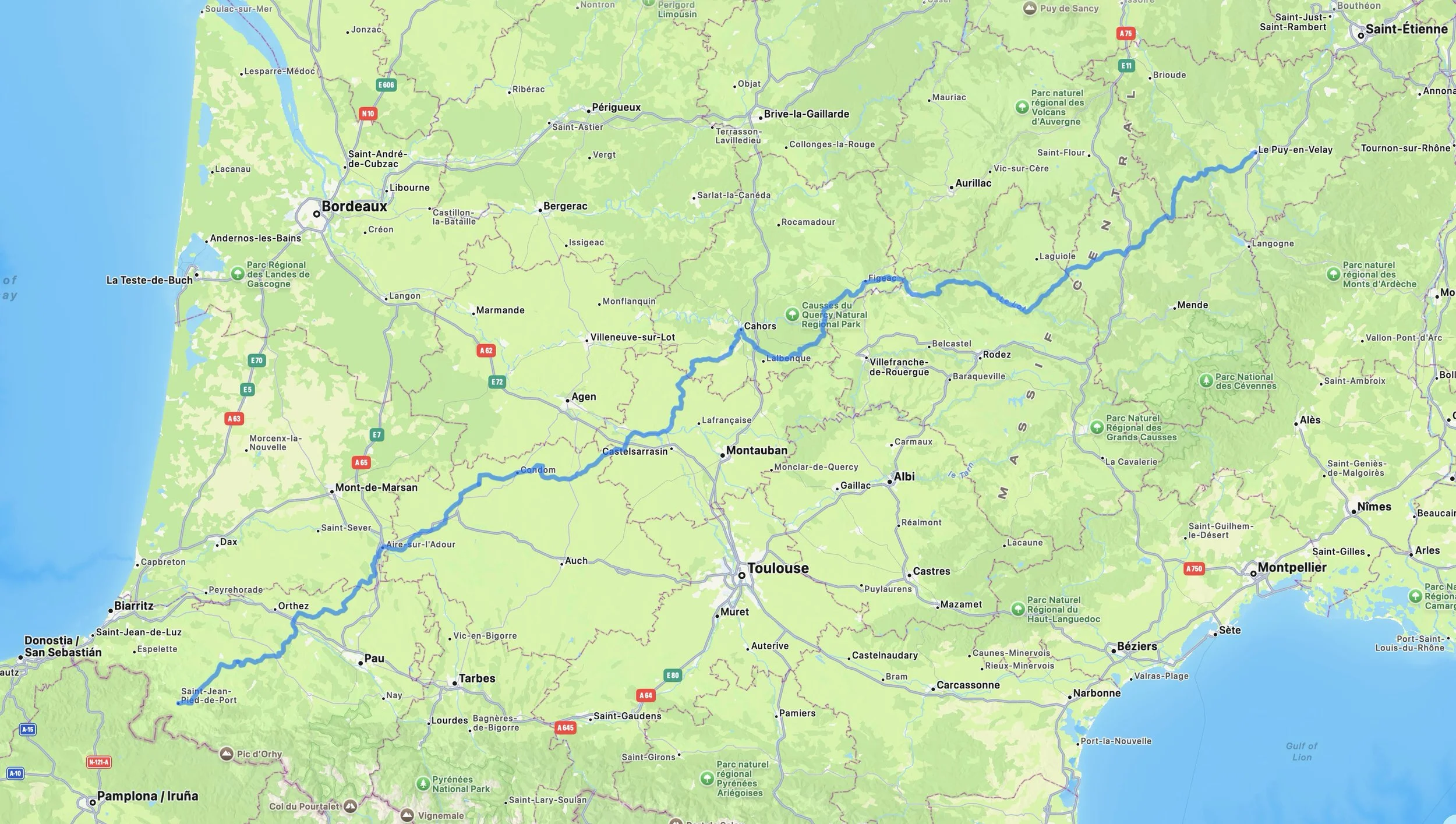
The Via Podiensis, also known as the Le Puy route, Chemin du Puy, or GR 65, is the oldest and most popular St James’s Way in France.
Length: ~740 km from Le Puy-en-Velay to Saint-Jean-Pied-de-Port (SJPP)
History: Name comes from the old Latin Podium Aniciense, meaning “Way of Le Puy”
Trail system: Part of France’s Grande Randonnée (GR) network
2. Is This Route Right for Me?
Do I need to be very fit to walk the Via Podiensis?
No elite fitness is required, but a reasonable level of fitness improves comfort.
Early days from Le Puy are challenging
Training: practice walking, hills, stairs, and wear your actual shoes and pack
Can I walk the Via Podiensis in my 60s, 70s, or 80s?
Yes. Pilgrims of all ages complete the route every year.
Example: Wanda walked it twice, turning 86 on her second crossing
Tips: pace yourself, rest when needed, and avoid comparing to others
How do I train for the Via Podiensis?
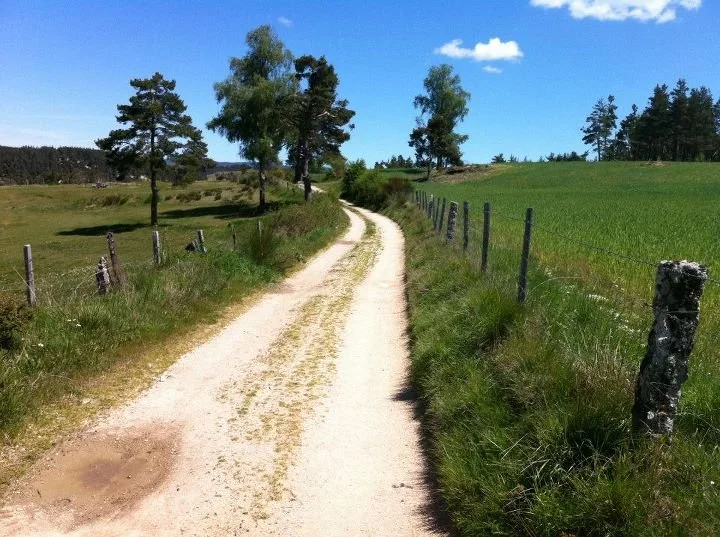
Walk daily if possible (even 30–60 minutes)
Include cardio exercises: cycling, swimming, running
Train with your backpack and walking shoes
Stretching protects against injury
Tip: “Ask each item you carry: is this to insulate me from the journey? If yes, leave it behind.” – Charles Foster
3. When, and other Important Information
When is the best time to walk the Via Podiensis in France?
April–mid-October is walking season
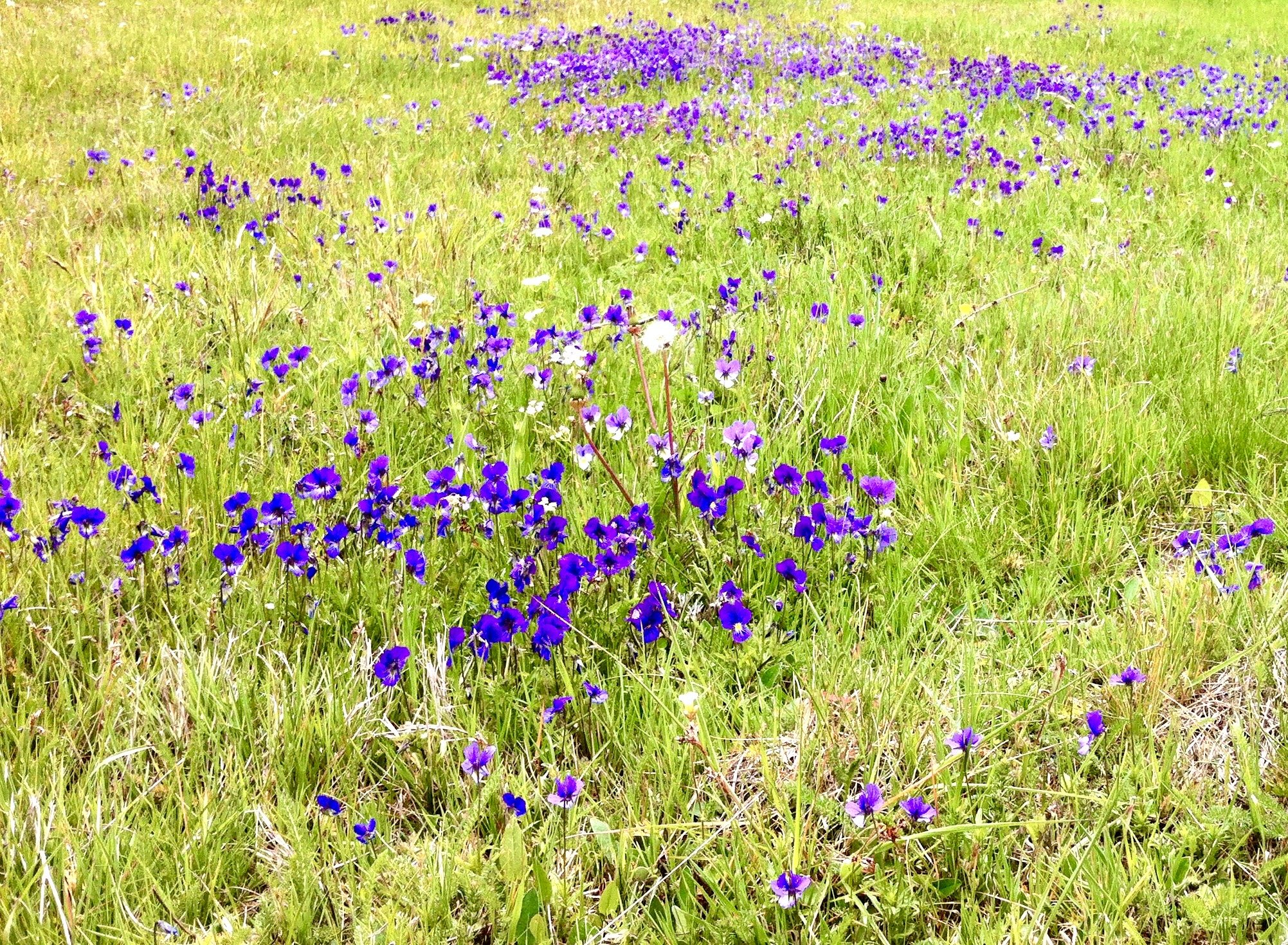
May–June: wildflowers, mild temperatures, long days
July–August: warmer, quieter trails
September: softer light, peaceful atmosphere
April & October: cooler; some gîtes closed
Winter: not recommended due to snow and scarce accommodations
How many days does it take to walk the full Via Podiensis?
Average pace: 32–35 days (~21–25 km/day)
Slow pace: 50 days (~12–15 km/day)
Fast pace: 25–30 days (~24–30 km/day)
How do I navigate the Via Podiensis?
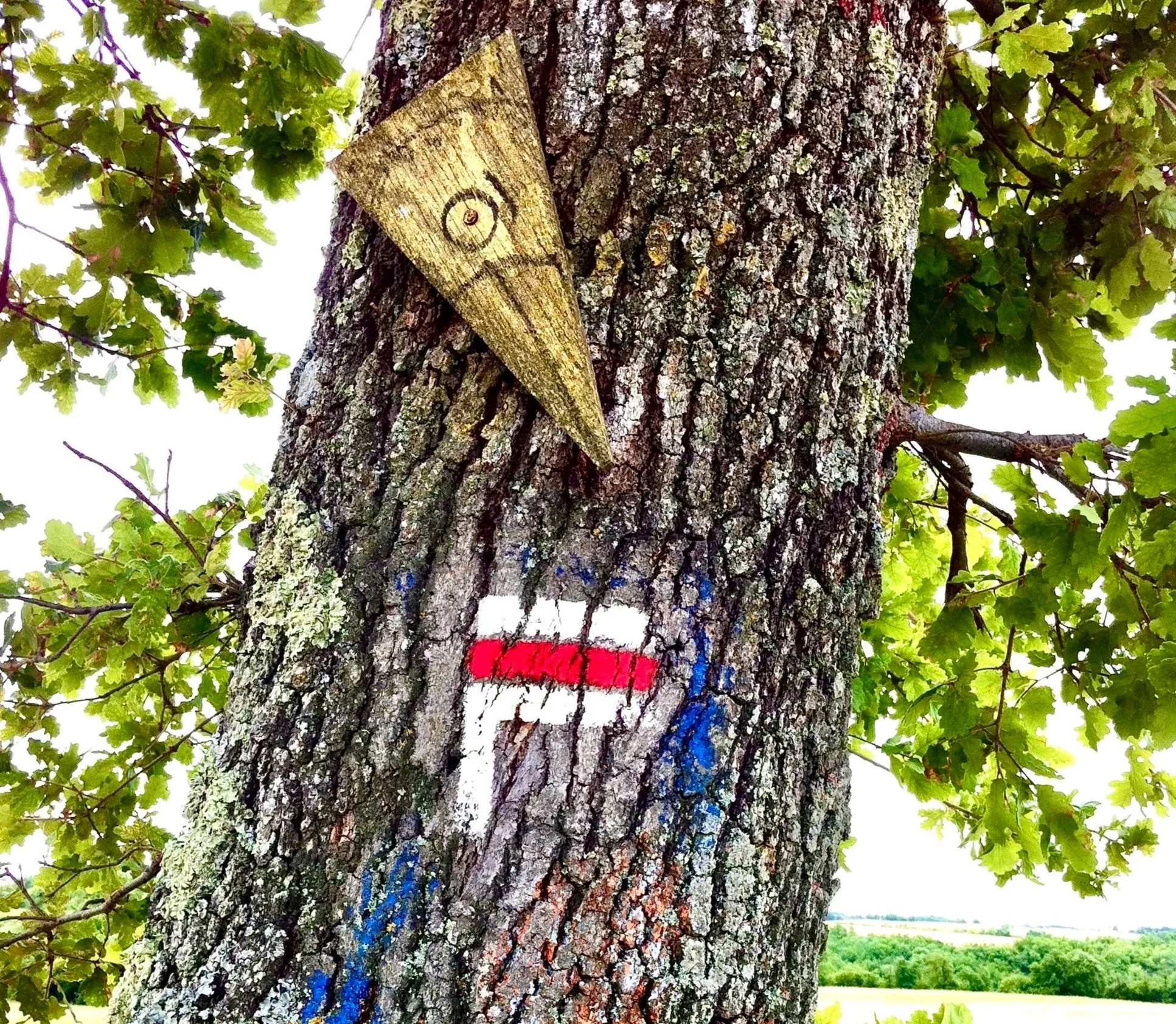
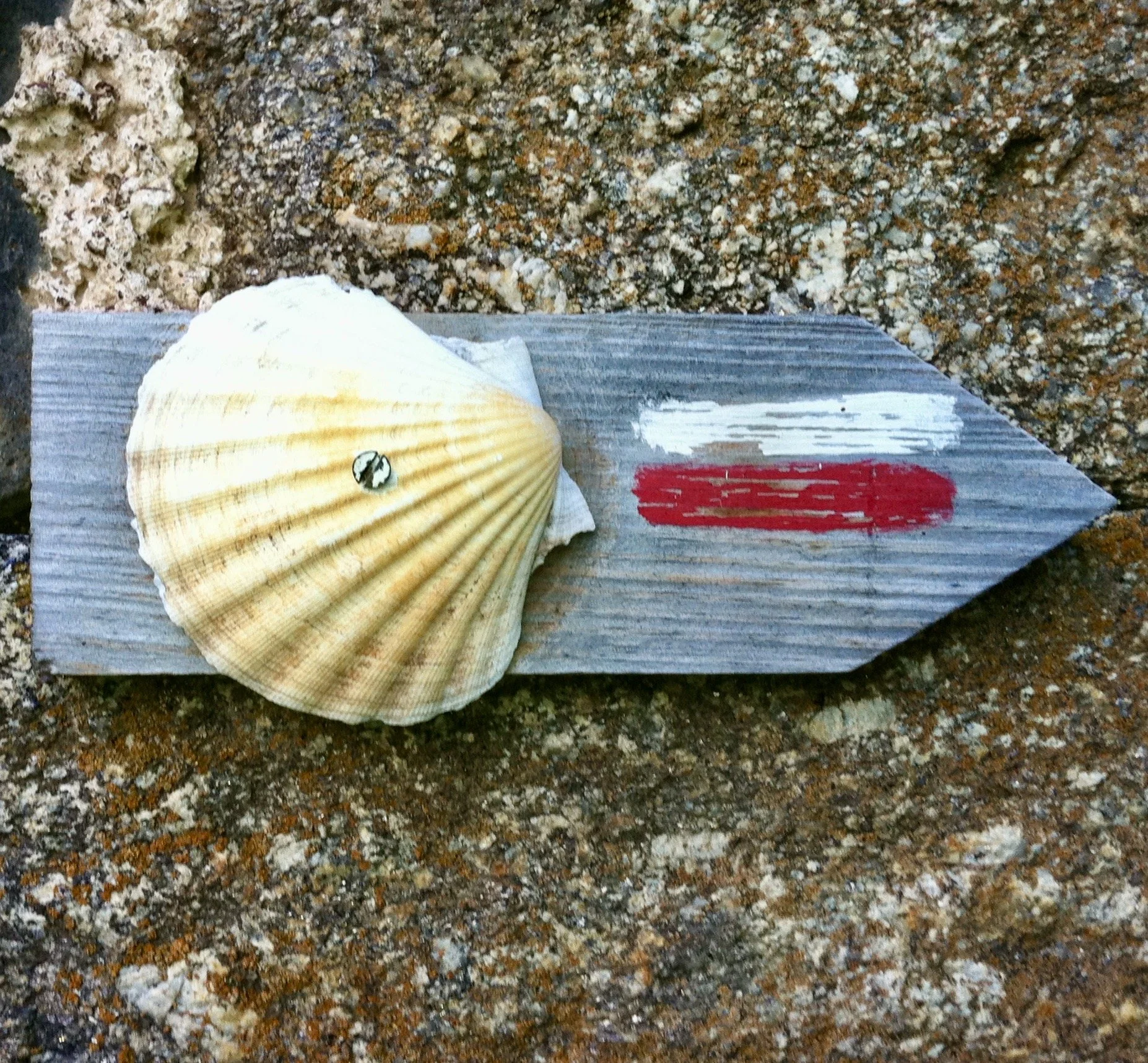
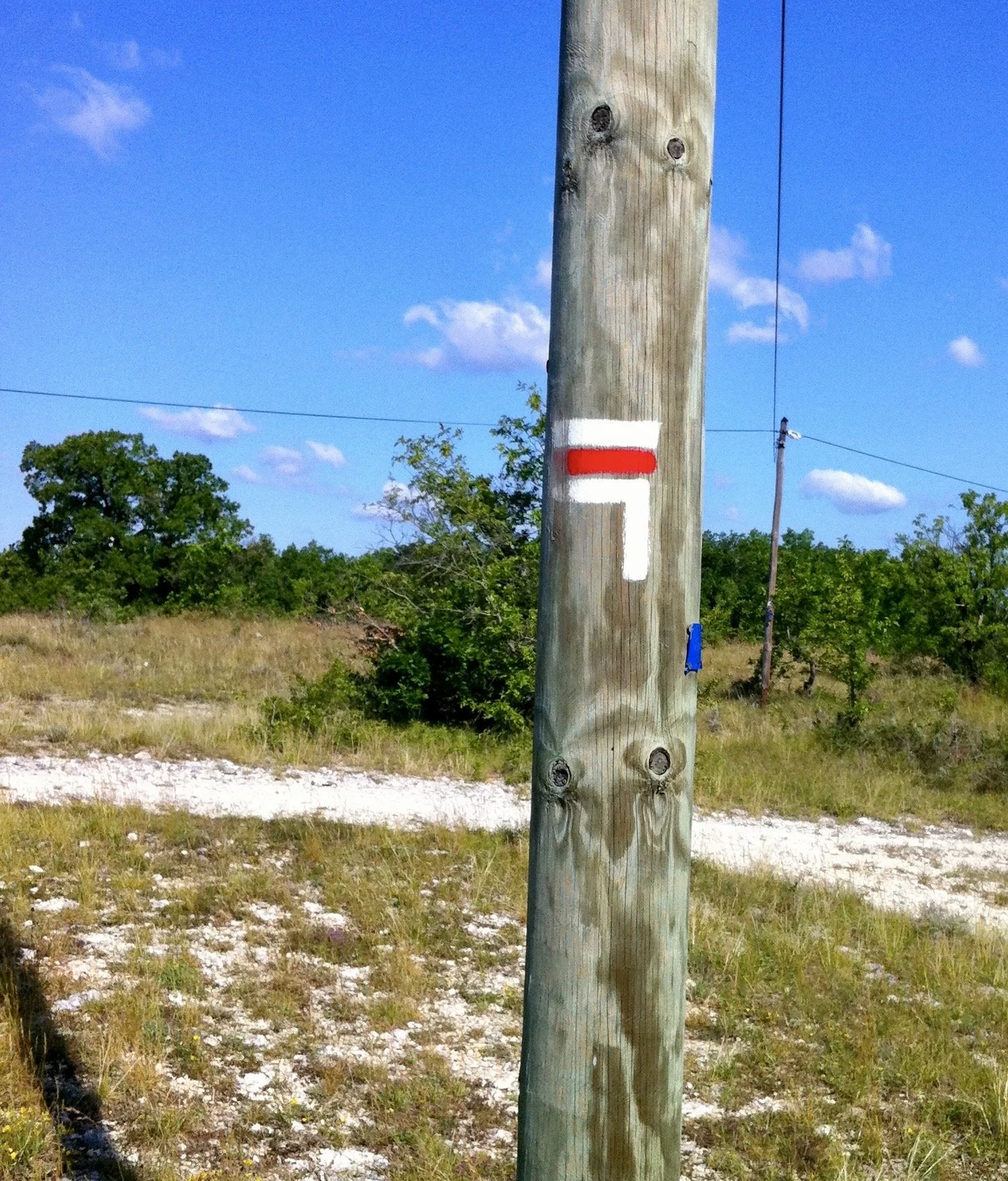
Follow red-and-white GR 65 blazes on walls, posts, and rocks
Signposts at intersections
Most lost pilgrims are distracted, not because of trail markings
How much does it cost to walk the Via Podiensis?
Daily budget: 50–60€ per person
Demi-pension: 40–45€ (bed, breakfast, dinner)
Total for full route: 1,200–3,000€ depending on pace and meals
Carry 400–500€ cash; many gîtes remain cash-based
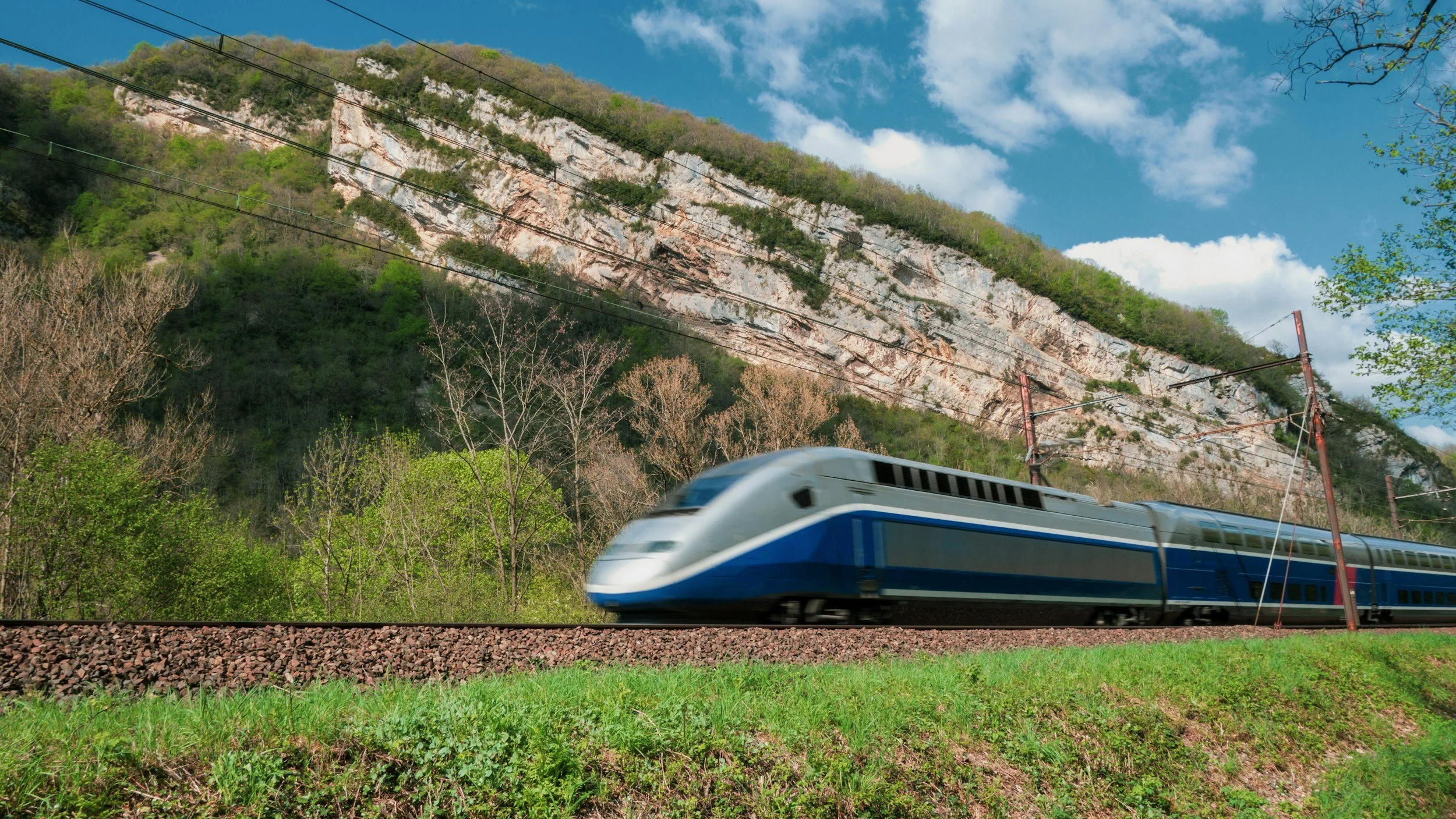
How do I get to Le Puy-en-Velay?
From Paris CDG Airport: train via Saint-Étienne
From Lyon airport: Rhône Express + regional trains
Tools: Trainline, SNCF, Rome2rio, Man in Seat 61
5. Resources
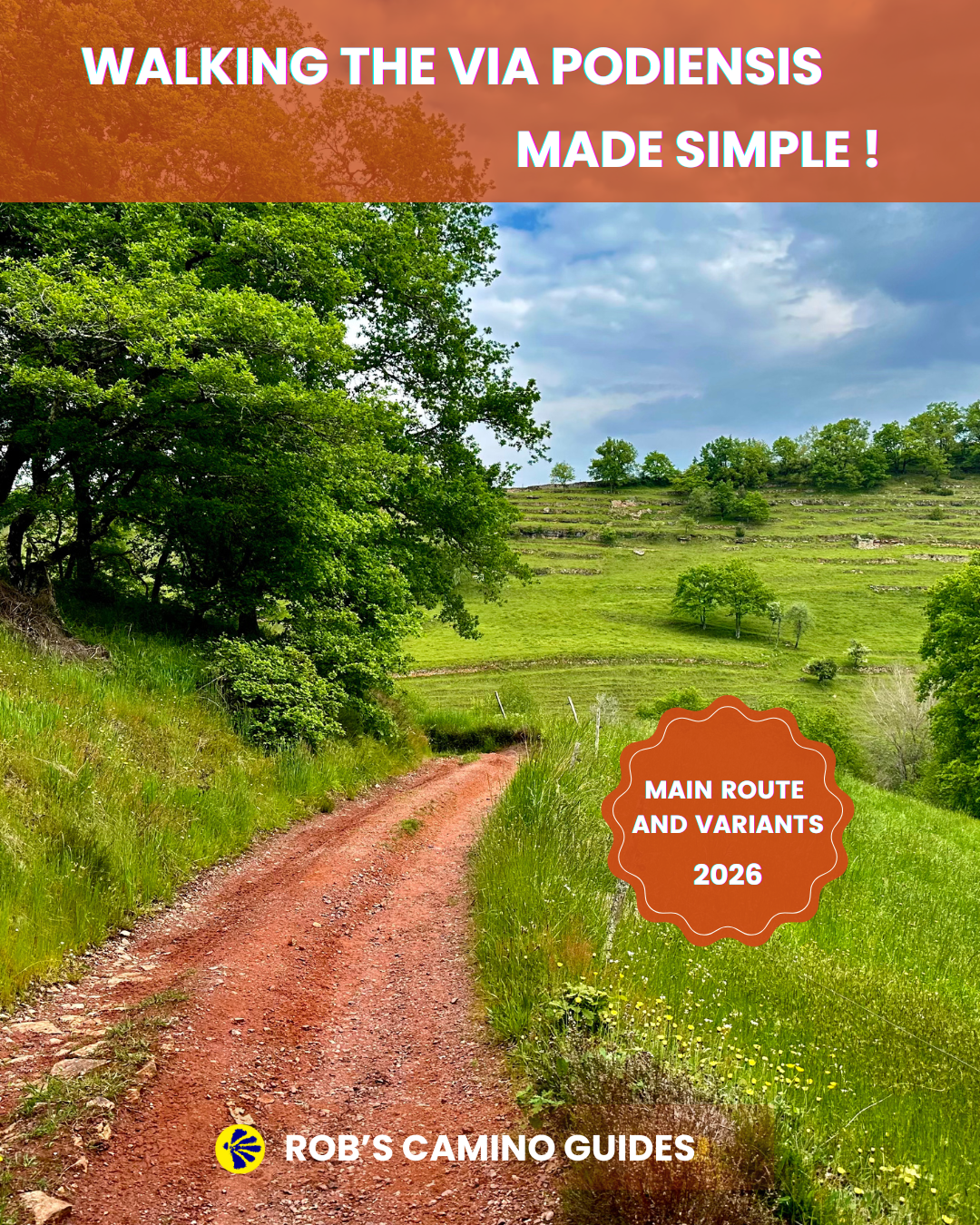
Where can I find a practical Via Podiensis guide?
Rob’s guide: a PDF, updated every year, listing all gîtes, services, distances, opening times, private rooms, self-catering, camping, ATMs
Includes the Rocamadour and Célé variants
Live links to all the gîtes
GPX links for use on your favorite map app
Can I join a community of Via Podiensis pilgrims?
Facebook group founded in 2013 by Robert Forrester
Offers practical advice, shared experiences, and camaraderie
Open to all: dreaming, planning, walking, or reflecting
Click the PIC below to join our
⬇️ FaceBook Group ⬇️

4. Life on the Camino
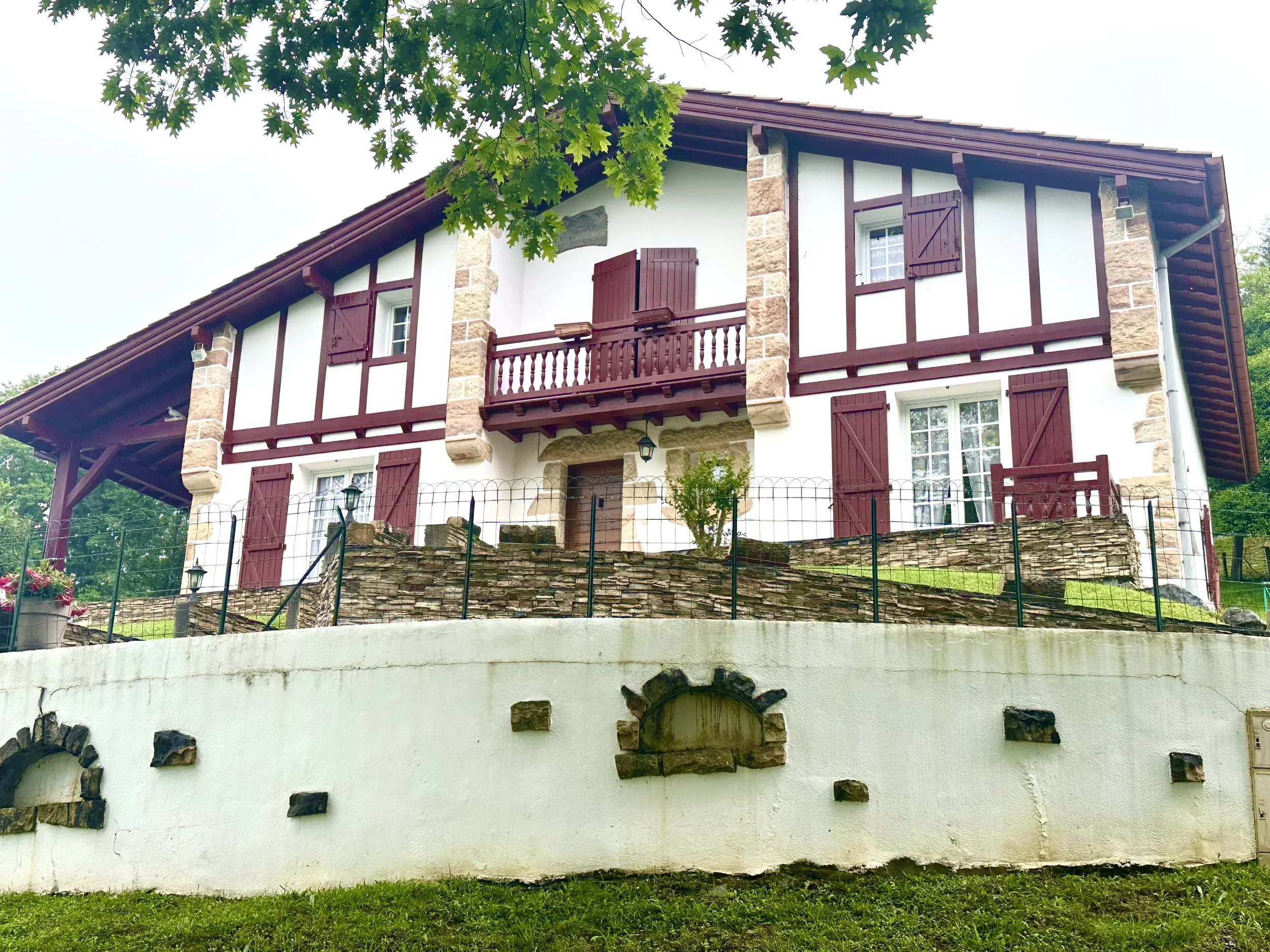
Where will I sleep along the Via Podiensis?
Gîtes are the heart of the Camino experience
Types: municipal, private, parochial
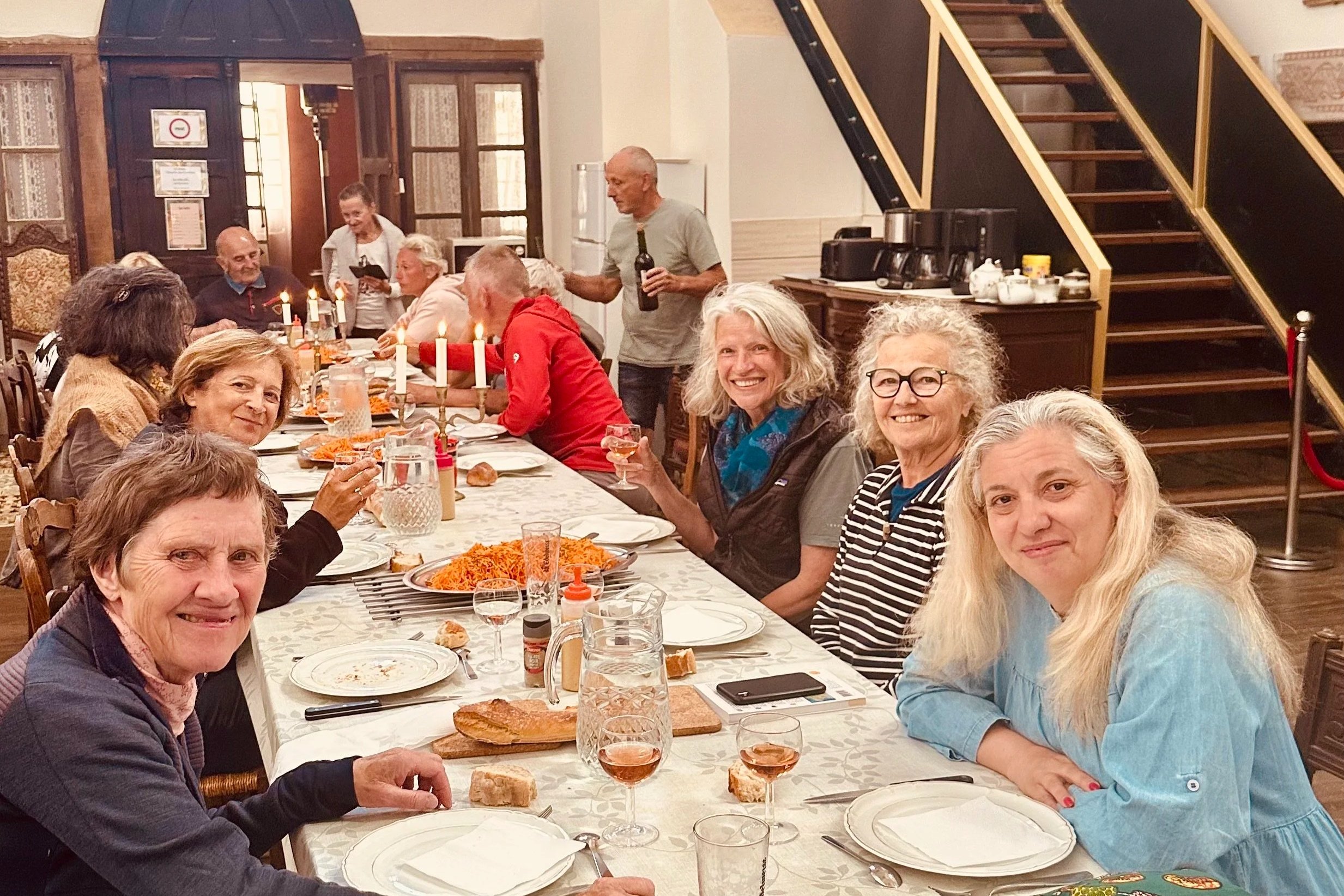
Shared meals, cozy beds, and community spirit
Check for private rooms or linen charges; many open ~3–4 PM
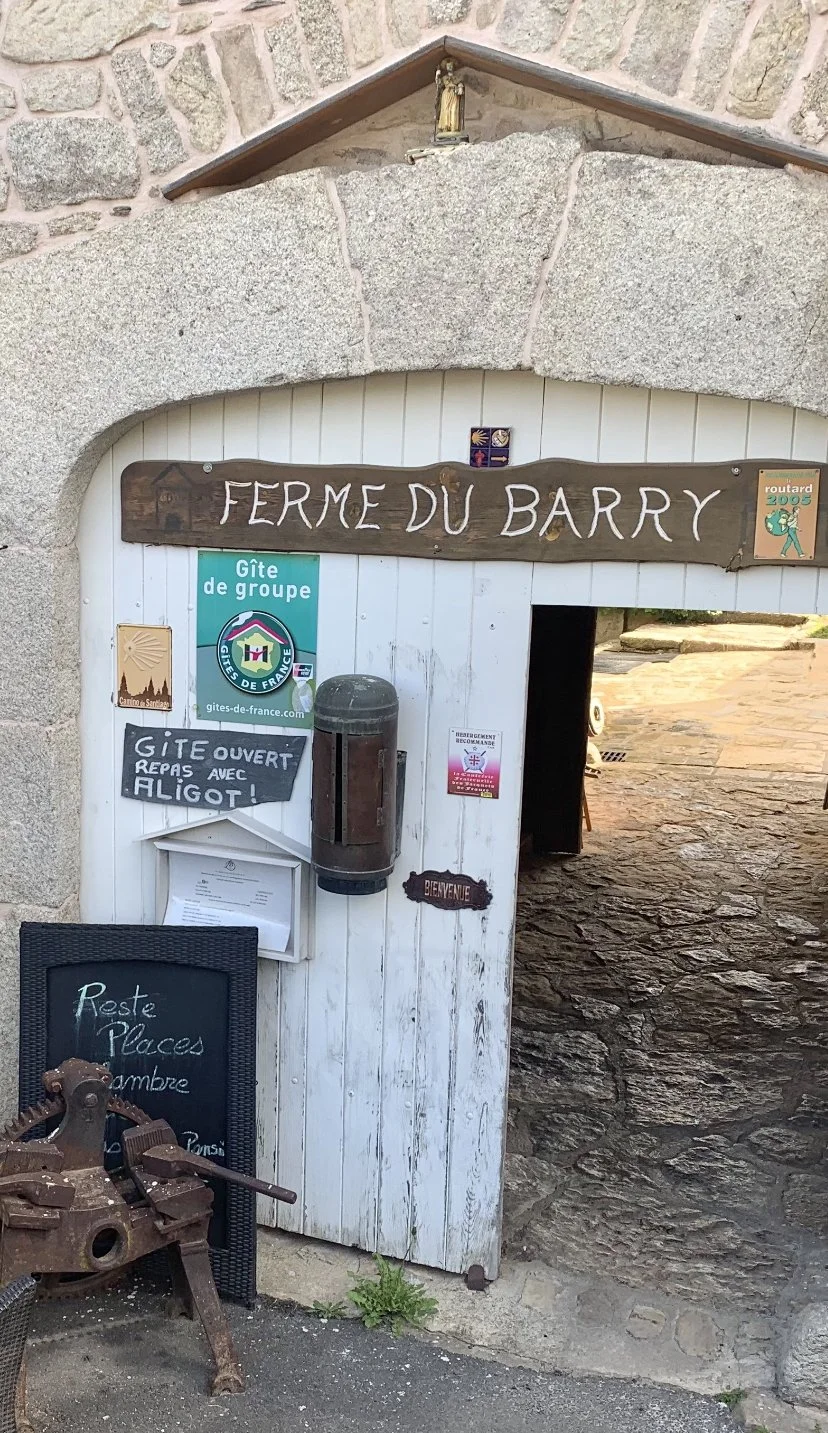
Do I need to book gîtes in advance?
Book first 3–5 nights before departure
Then book 2–3 nights ahead as you walk
Leave flexibility for rest days, injuries, and spontaneous connections
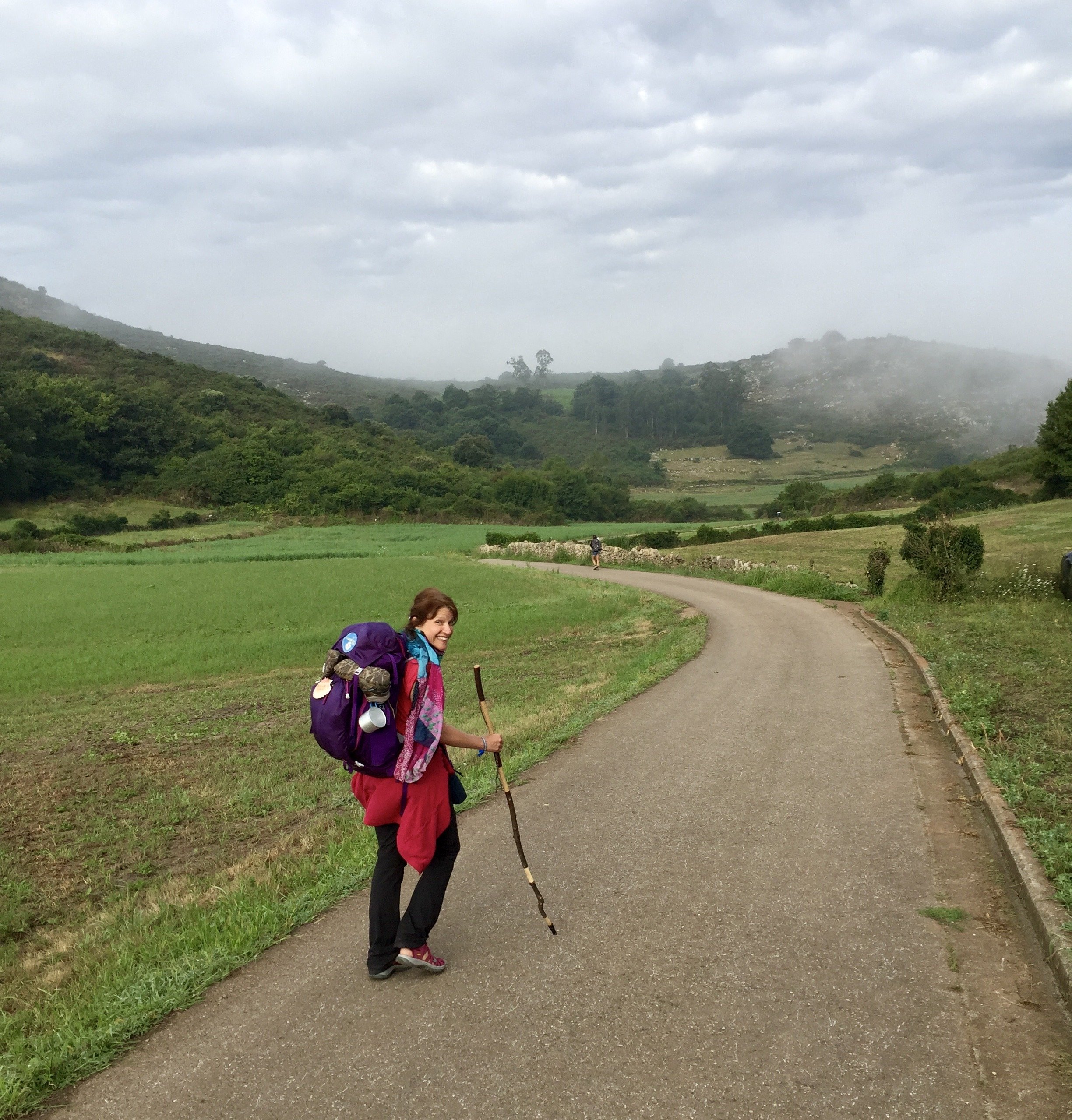
Is the Via Podiensis safe, including for women walking alone?
Very safe, even for solo women
Community of pilgrims and welcoming gîte hosts creates a protective atmosphere
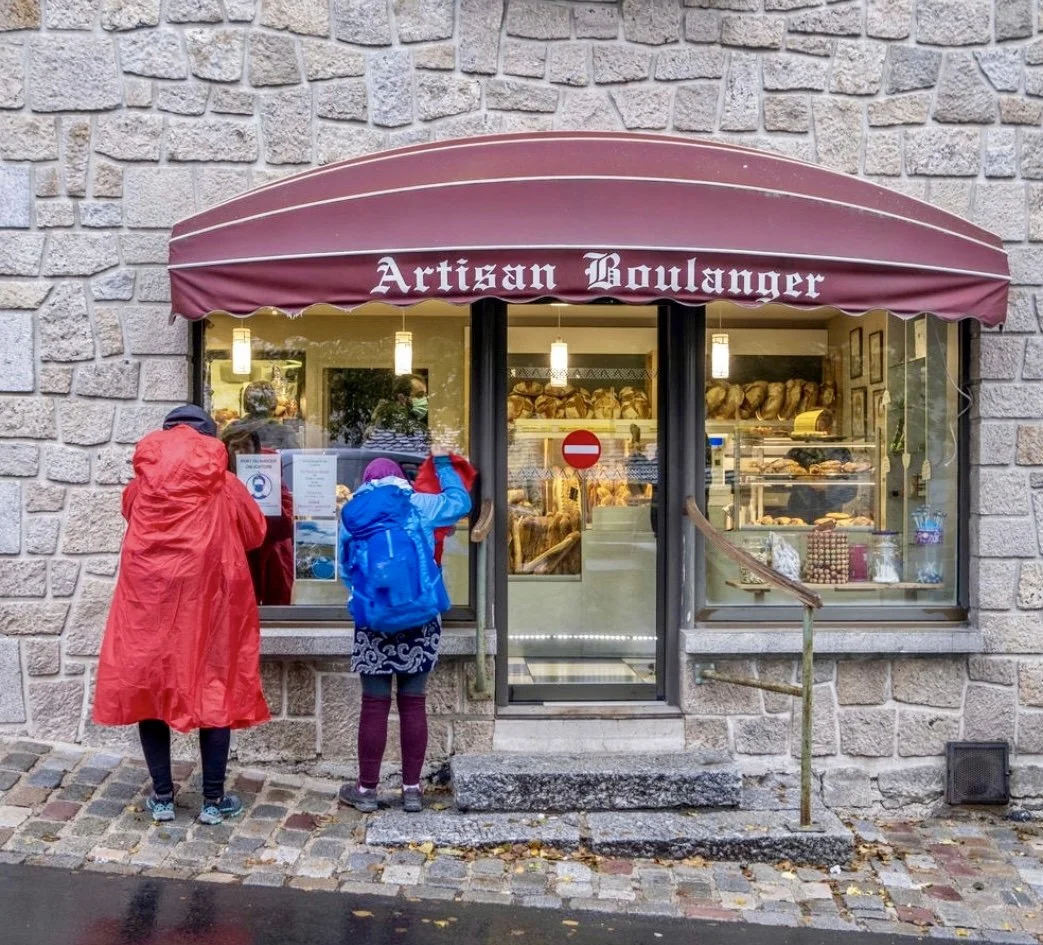
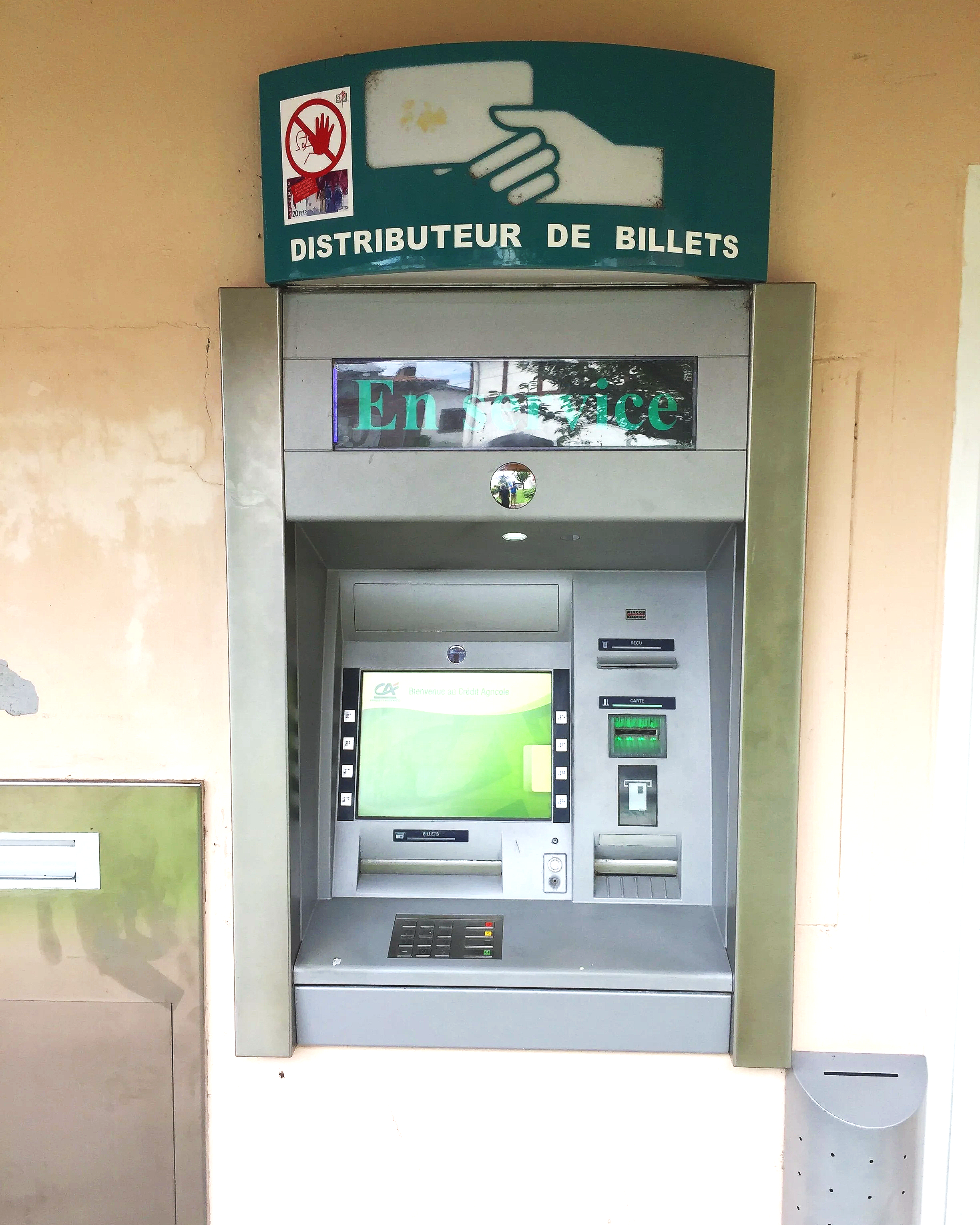
Are there shops, ATMs, and pharmacies along the route?
Yes, but not always at convenient locations
Check local opening hours: many close midday or Sundays
Use Rob’s guide for mapped services and tips
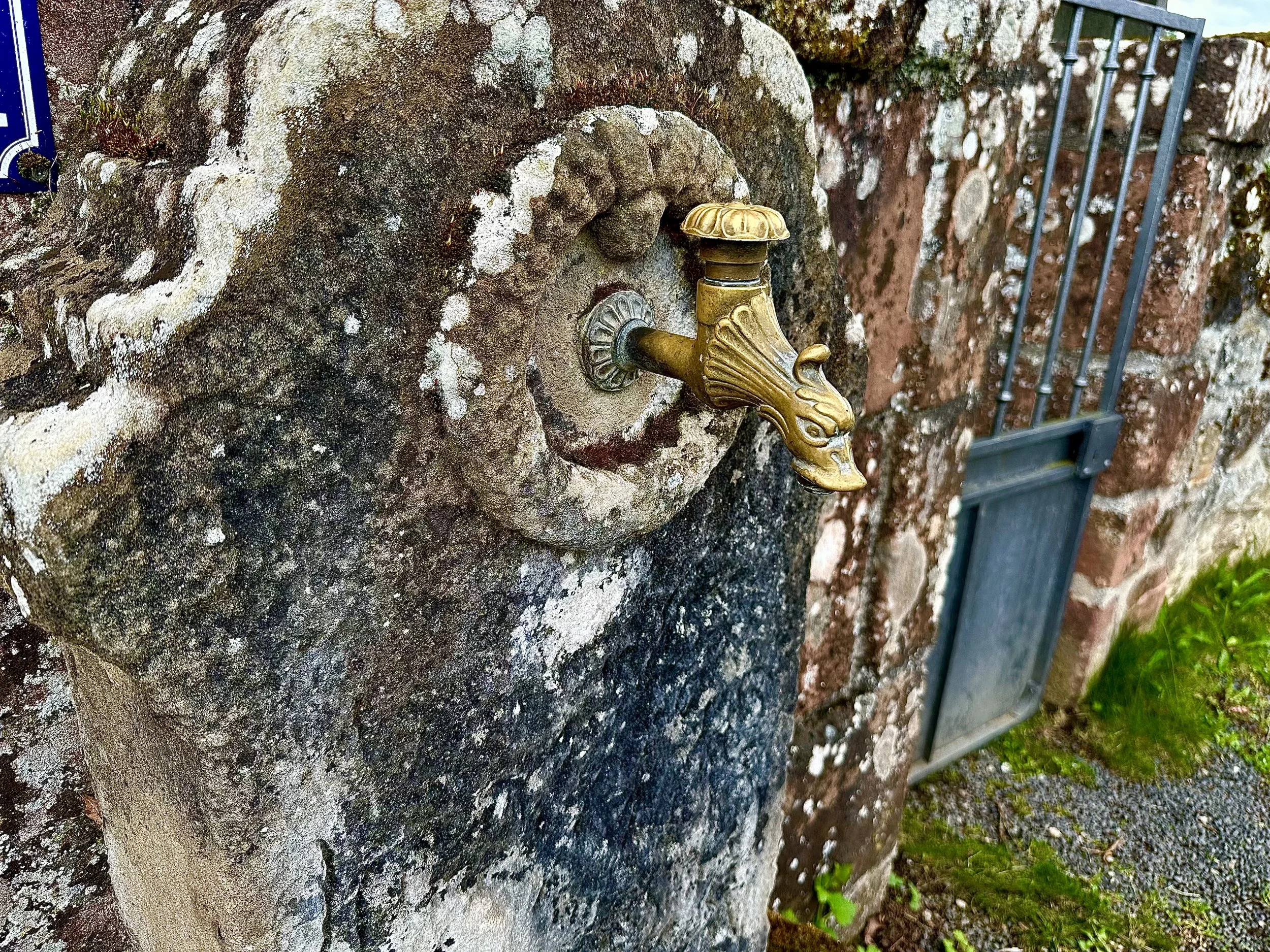
Can I drink water from fountains along the Via Podiensis?
Drinking water is widely available in villages and cemeteries
Use FreeTaps app for remote water sources

Do I need to speak French for the Via Podiensis?
Not mandatory, but basic phrases improve interactions
Small rural gîtes may only speak French
Prepare with guides like “French for the Camino”
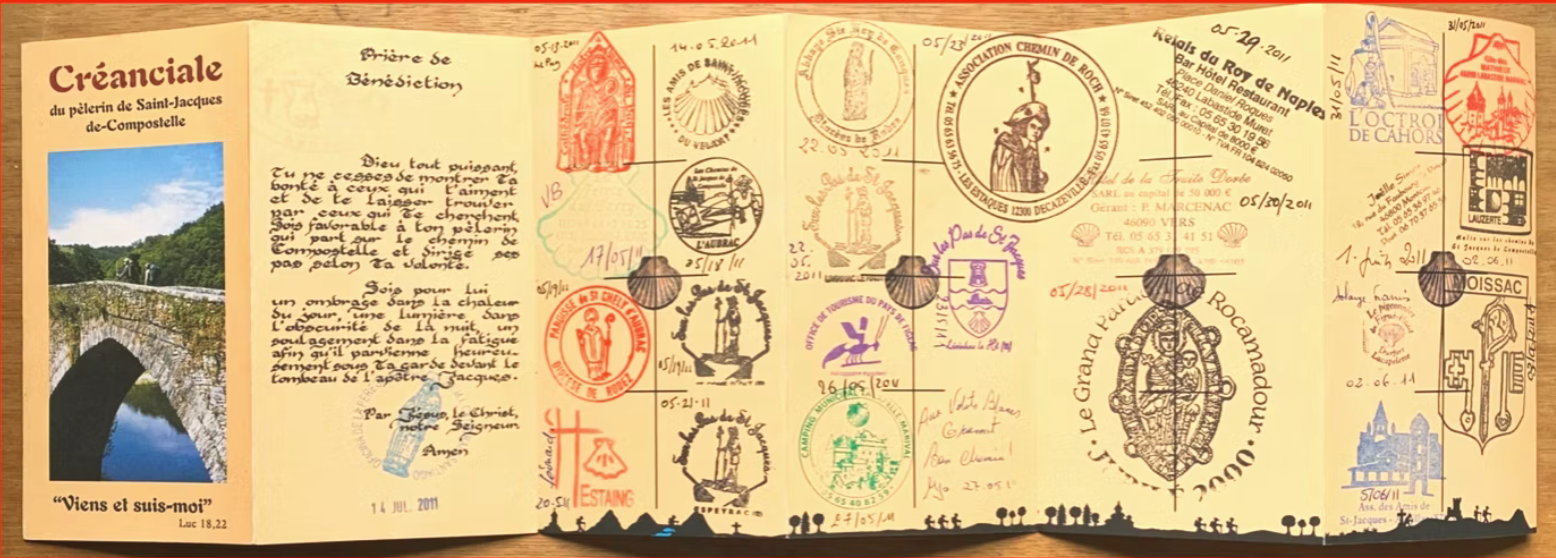
Do I need a pilgrim passport (Crédentiale)?
Not required for French gîtes
Required if continuing to Santiago de Compostela for a Compostela certificate
Buy at Le Puy Cathedral shop, get stamped along the way
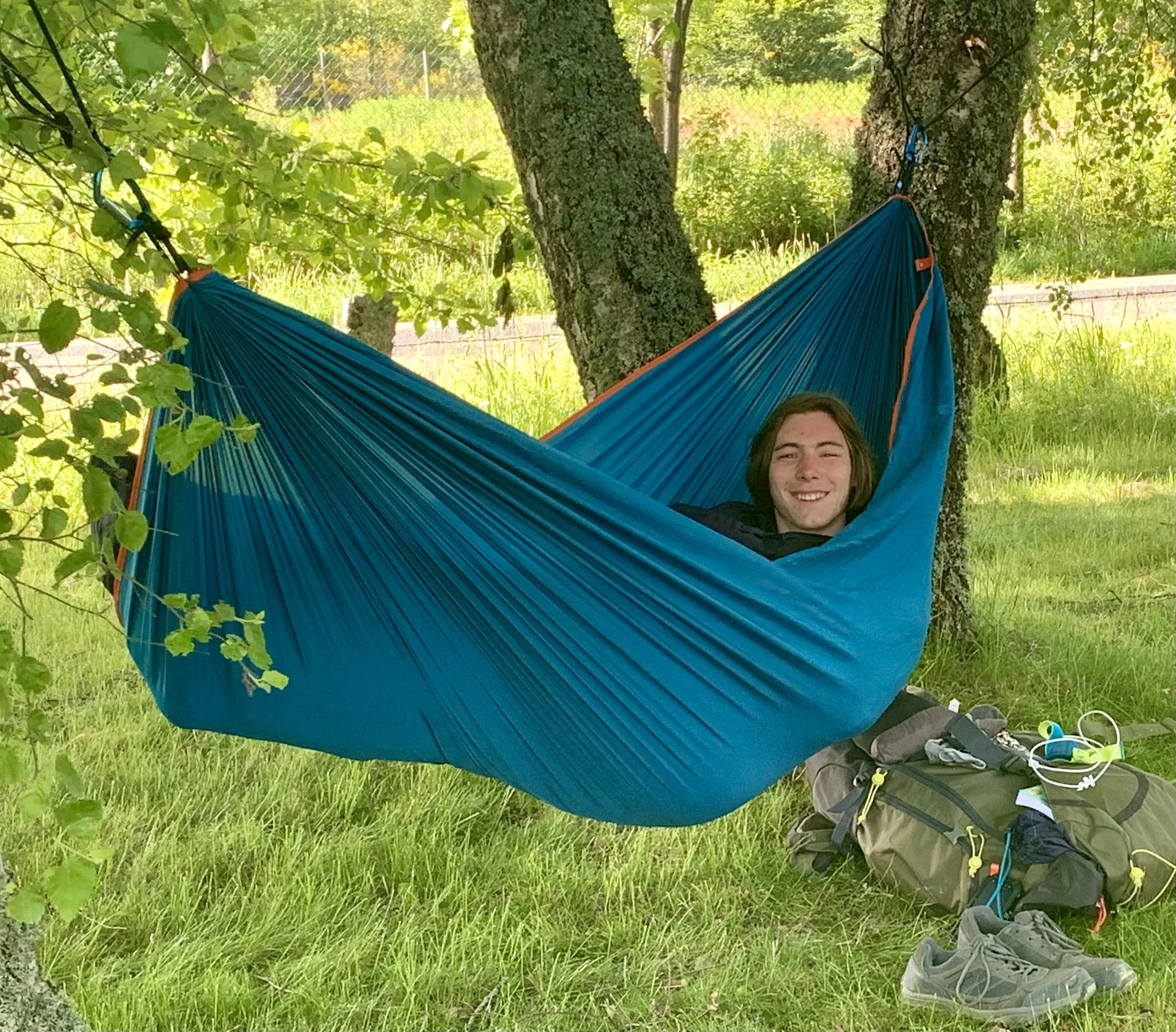
Can I camp along the Via Podiensis?
Official campgrounds available
Many gîtes allow tents in gardens
Wild camping requires landowner permission

How can I stay connected on the Via Podiensis?
Options: travel add-ons from your provider, Orange e-SIM, or third-party e-SIMs
WiFi in most gîtes and tourist offices
WhatsApp is widely used
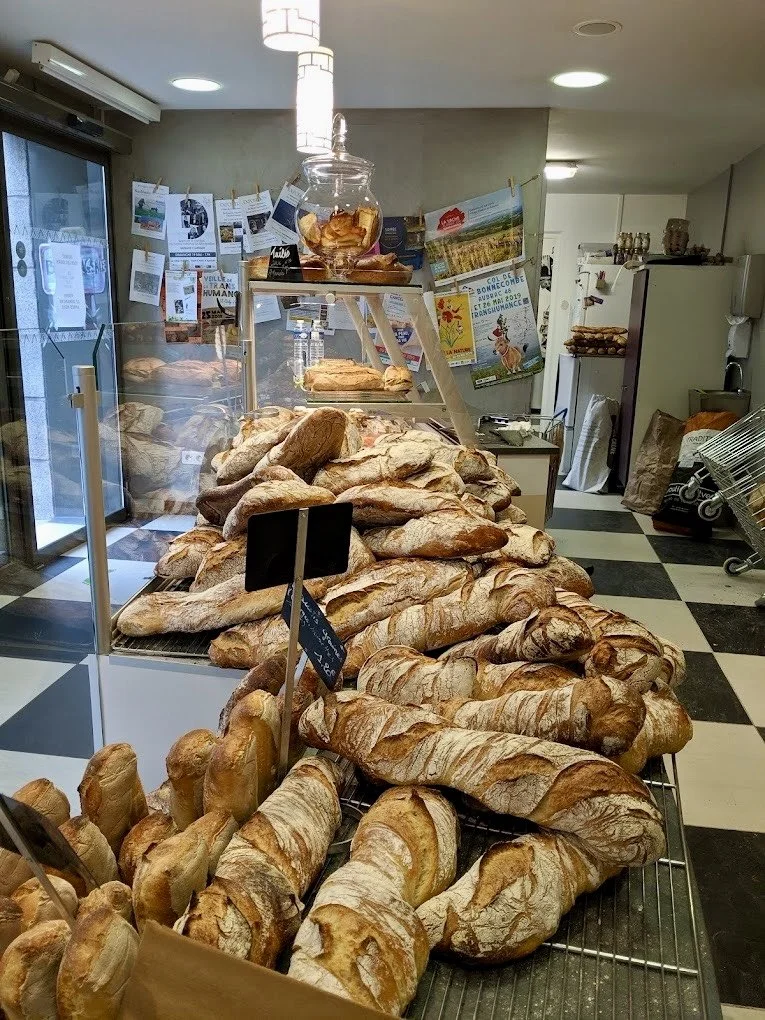

What food and drink should I expect on the Via Podiensis?
Regional specialties: lentilles du Puy, aligot, Laguiole cheese, truffles, Cahors wine, duck confit, pastis gascon, Armagnac
Weekly markets are a must-see, offering fresh local produce
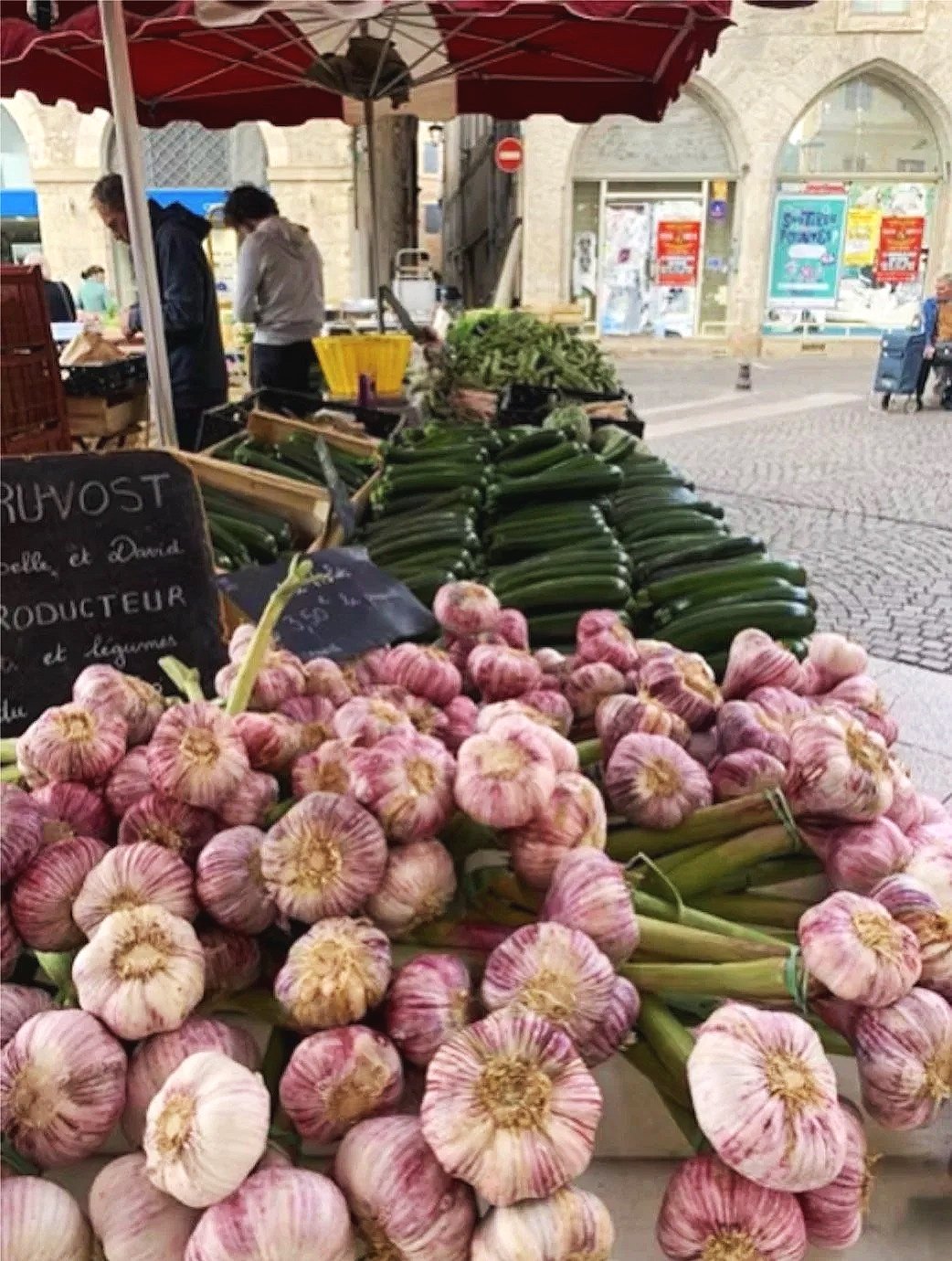
Are there weekly markets along the Via Podiensis?
Examples:
Le Puy-en-Velay – Saturday 8:00–13:00
Saugues – Friday 8:00–13:00
Cahors – Wednesday & Saturday 8:00–12:00
Saint-Jean-Pied-de-Port – Monday 8:00–13:00
Full list in Rob’s guide and the Complete FAQ
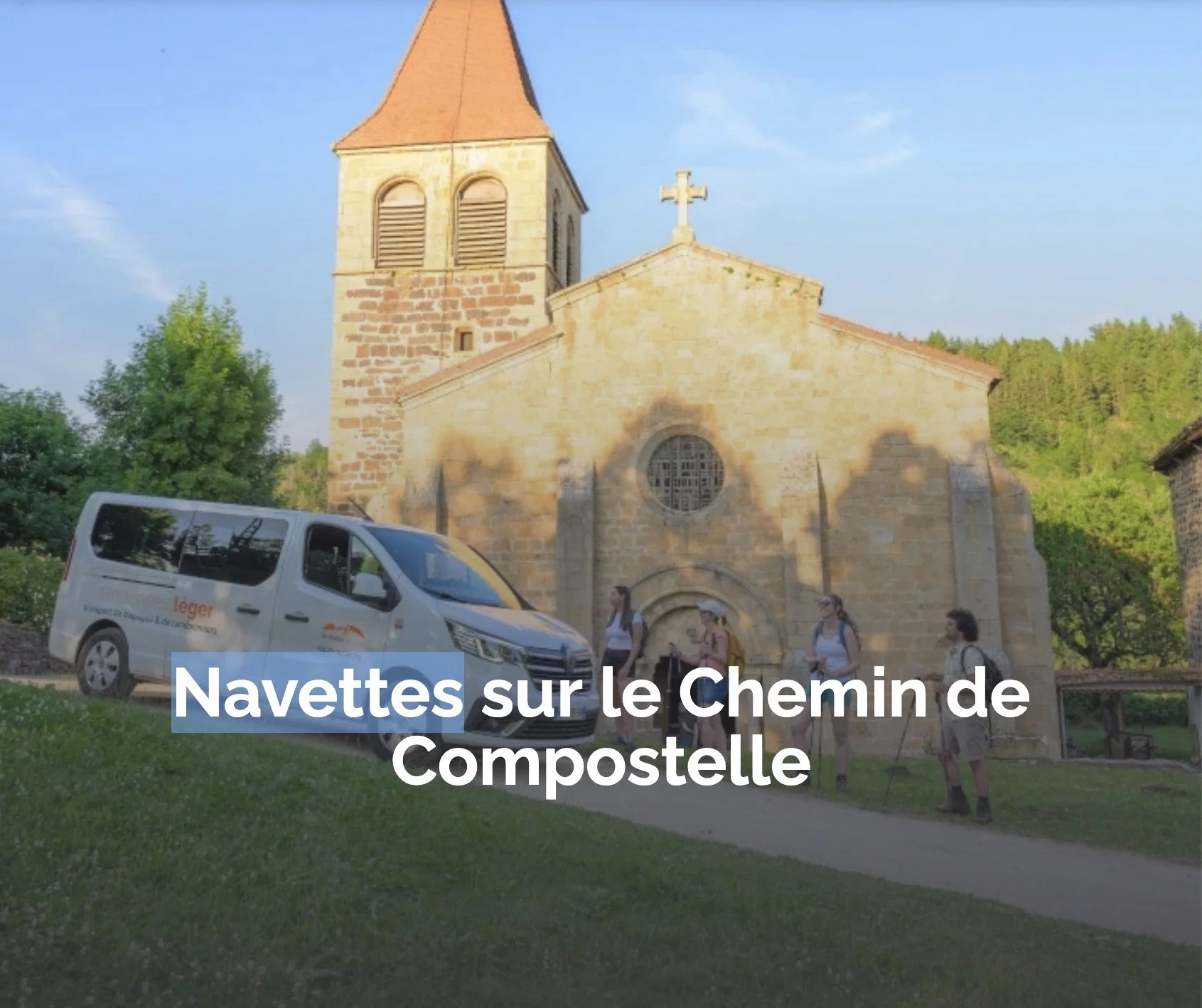
Are bag transport services available?
Yes, April–November:
La Malle Postale (Le Puy → Lectoure)
Les Valises de Saint-Jacques (Moissac → SJPP)
Compostelle Bus (Le Puy to Conques)
Section 2 What you Need to Know Before You Start
Walking the Via Podiensis is exciting—but preparation makes it smoother and more enjoyable.
The more you understand your own rhythm before you begin, the more freedom you’ll feel once you’re on the trail.
1. Pacing
Your Pace Shapes Your Camino
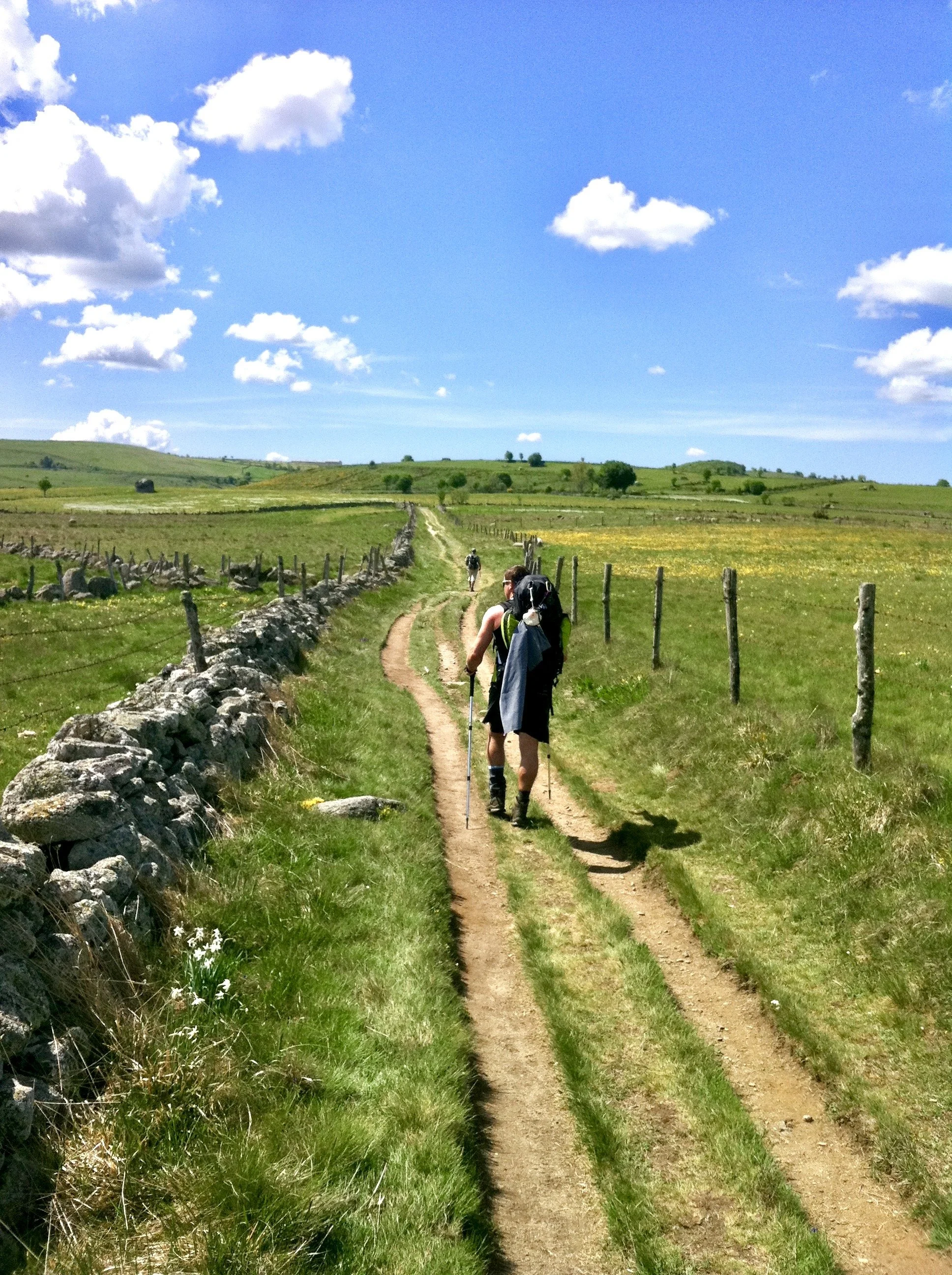
In preparing for your Camino, it’s important to understand your natural walking pace. This knowledge becomes invaluable for:
Planning your daily distances
Deciding where to stop for breaks
Choosing where to stay each night
Making your overall route fit the time you have
Without a sense of your pace, it’s easy to overestimate—or underestimate—what each day will feel like.
How to Find Your Pace
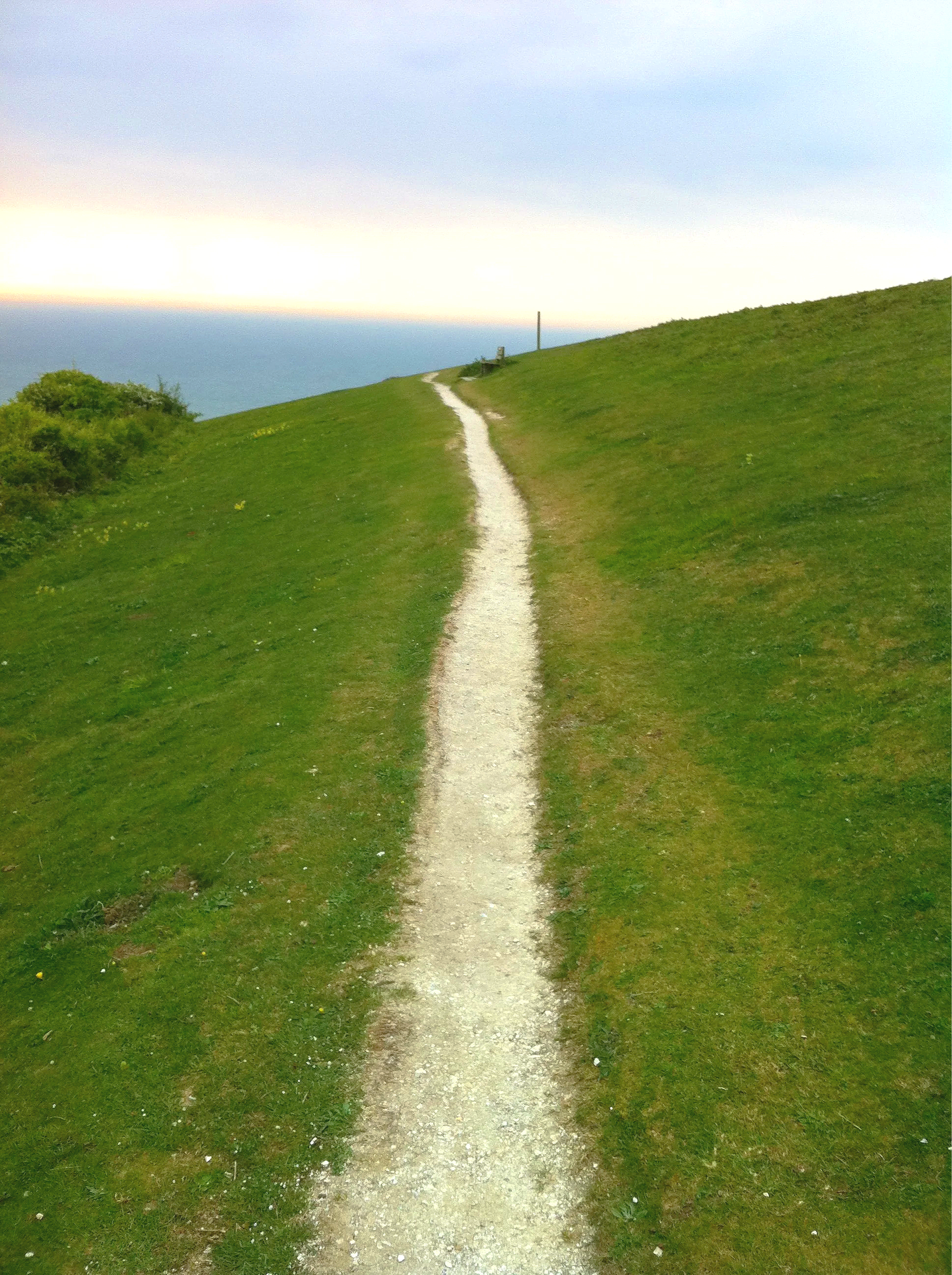
Walk several miles at a steady, comfortable speed
Notice distance, time, and how you feel
Try both flat and hilly terrain
As a guide:
Medium pace: 3.5–4 kph (~20–25 km/day)
Slow pace: 2–2.5 kph (~15 km/day)
A Realistic Approach to Training
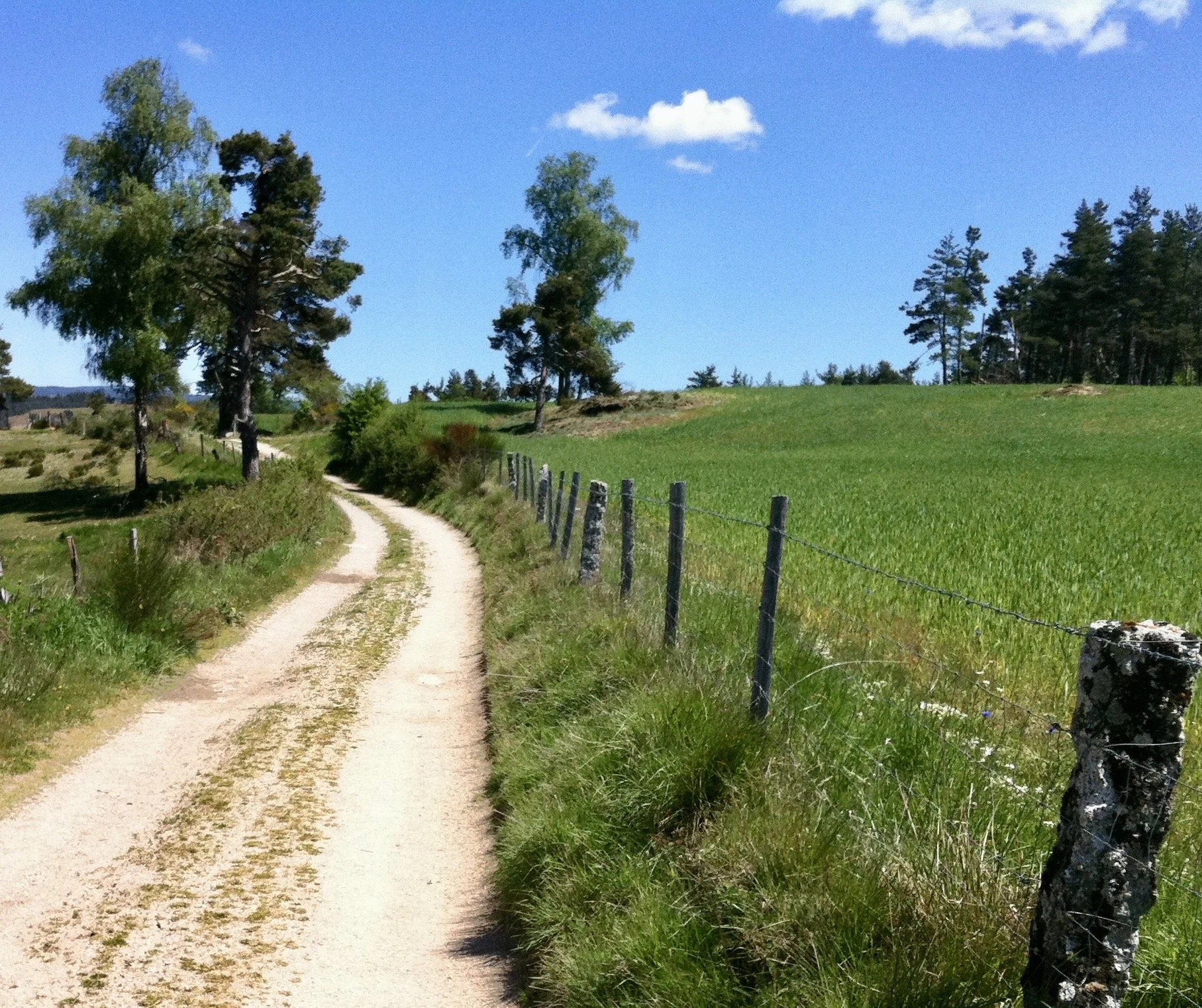
It’s not necessary—and often not possible—to train by walking 15–20 km day after day before you leave.
What matters is:
Walking regularly
Understanding your pace
Doing a few longer walks to build confidence
And once you’re on your Via Podiensis, something shifts—
you walk at your own pace, your body adapts day by day, and you naturally become Camino-fit.
2. Plan with Flexibility
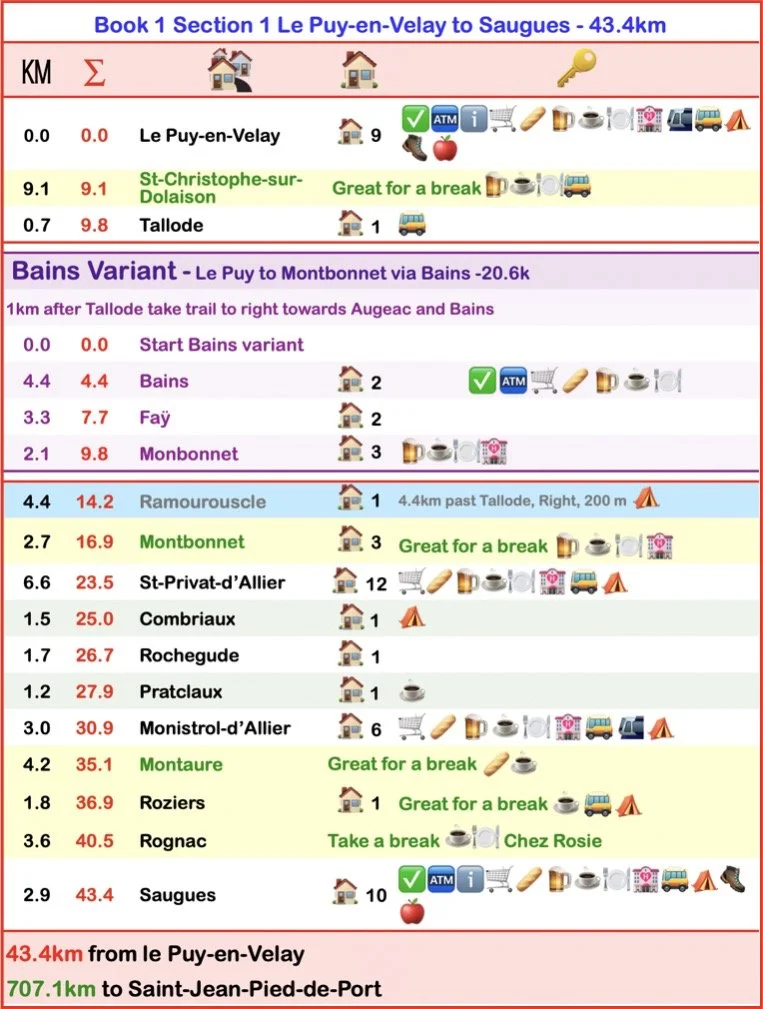
Fixed “stages” don’t suit everyone—terrain and pace vary.
Rob’s Guide uses 40–50 km sections (2–3 days depending on pace).
This lets you see ahead, adjust your stops, and avoid rigid planning.
You’re not trying to follow a schedule—you’re learning to follow your rhythm.
3. Plan Within Your Time
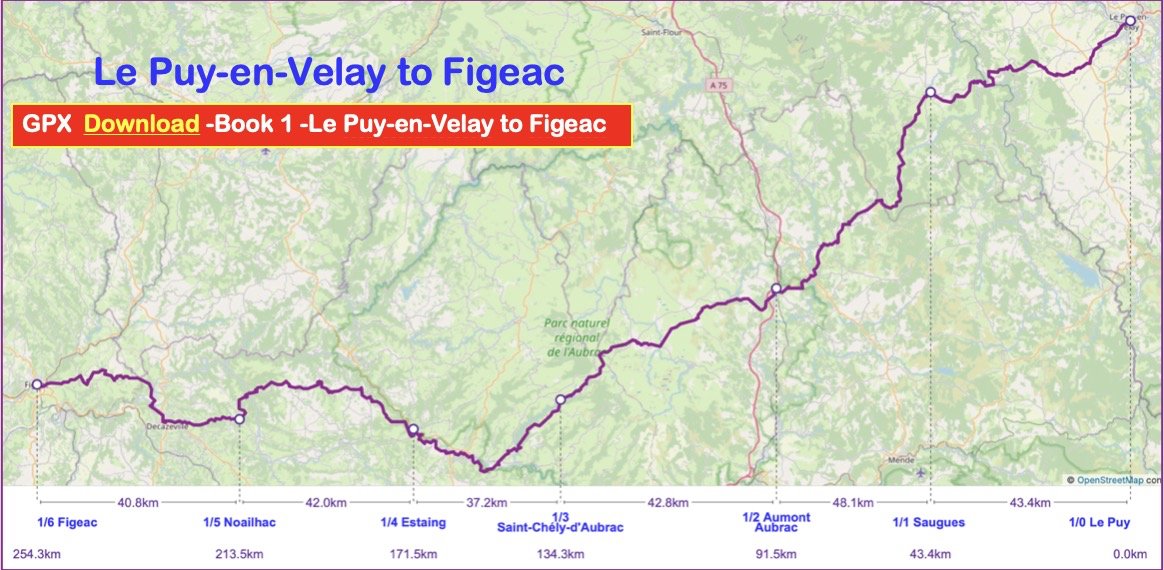
Your available time shapes your Camino more than anything else.
12 days walking:
at a slower pace ~15 km/day → ~180 km (around Estaing)
at a Medium pace ~ 20 km/day → reach Conques in ~10 days, with time to continue
4. Where You’ll Stay
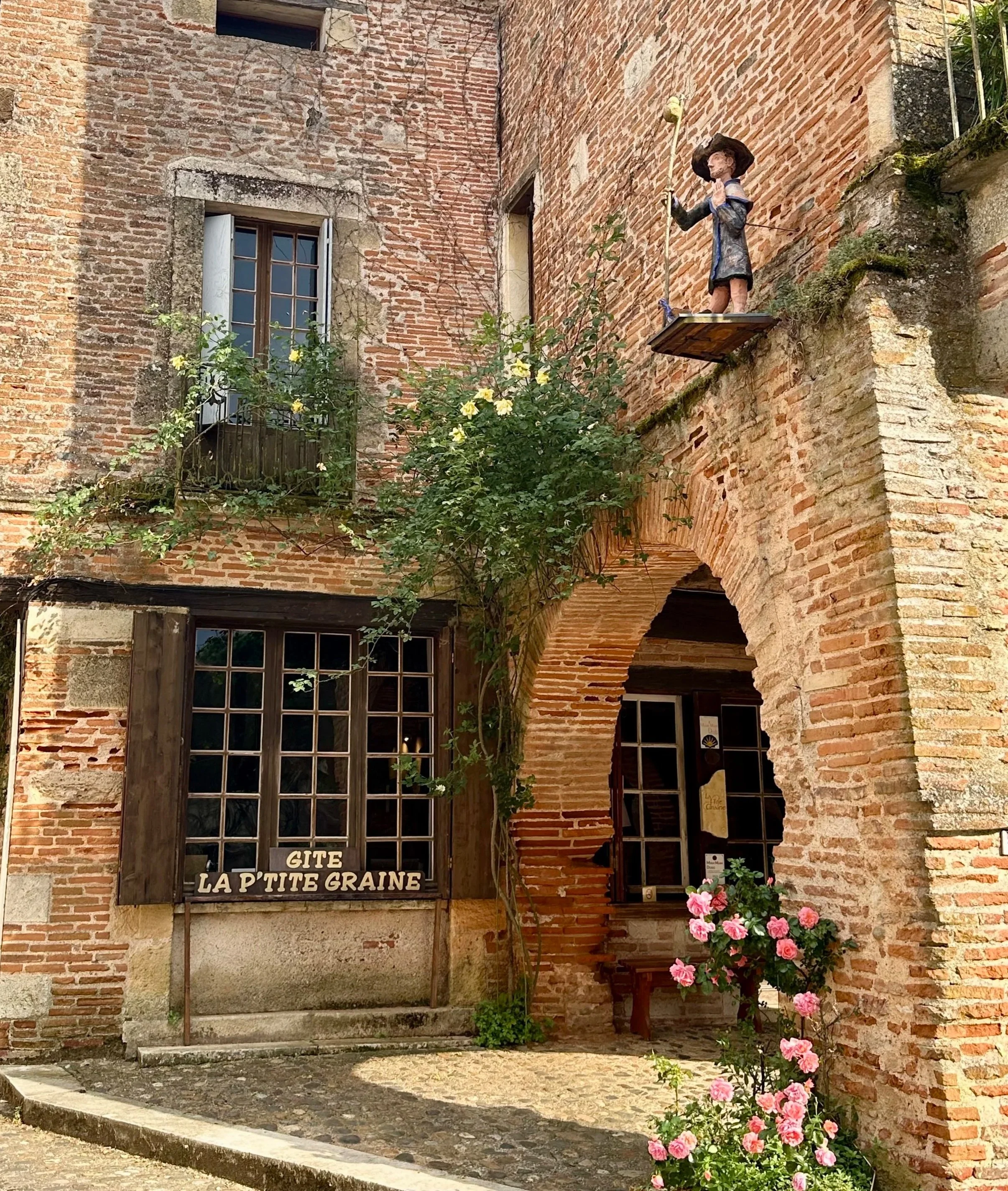
Demi-Pension (Most Common)
Gîtes with dinner and breakfast included
Typical all-in daily budget (with lunch/picnic): €50–60
Private rooms or dorms available
Also includes parochial stays, abbeys, seminaries
Simple, social, and easy—you arrive, eat, rest.
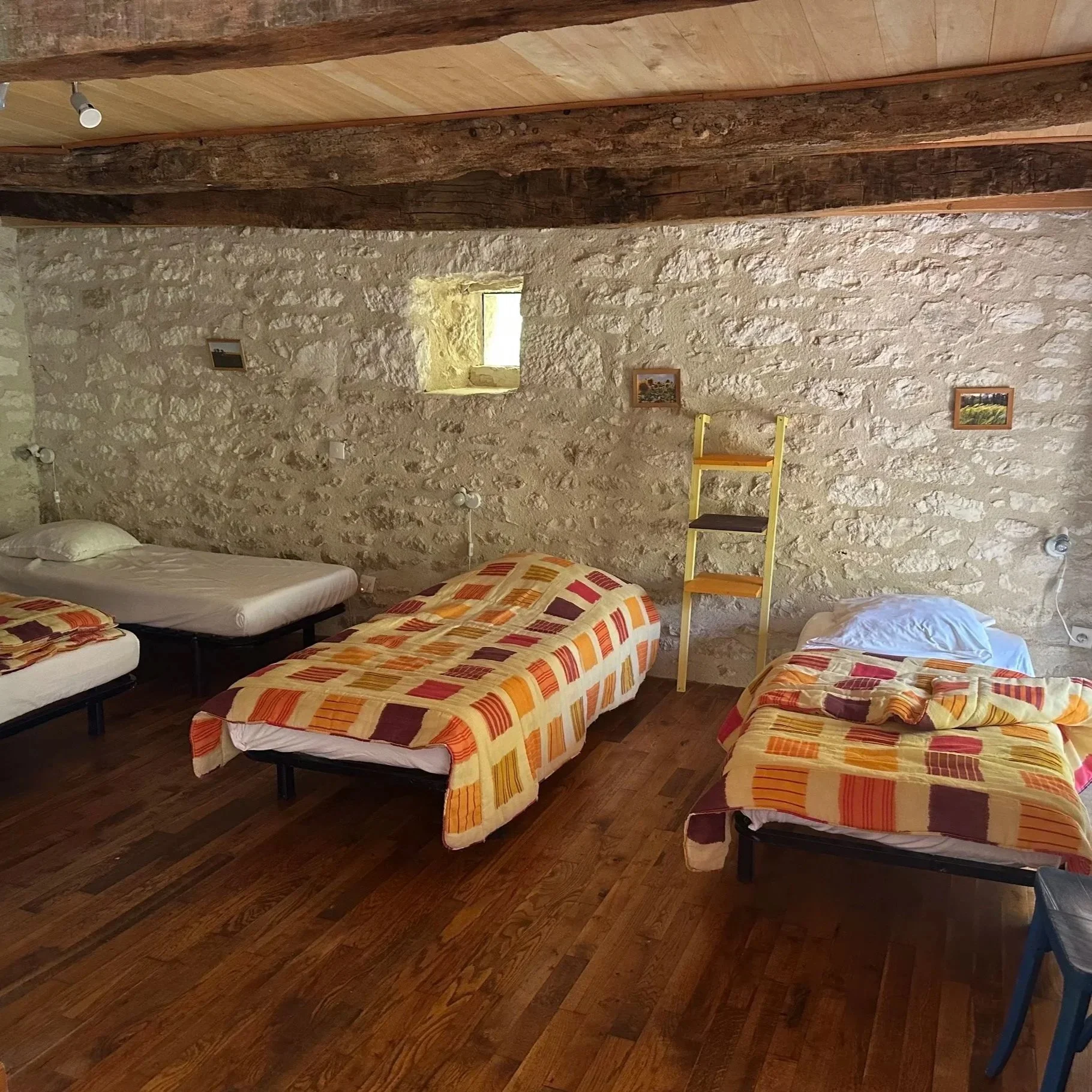
The Budget Way
Dorm beds in communal gîtes: sometimes <€20
Kitchen access for self-catering
Total daily budget: €30–35 (all-in)
Many gîtes allow tent pitching for a small fee
Camping (sites or discreet wild camping) is widely possible
More independence, more flexibility—same Camino.
5. Services & Daily Realities

Most gîtes open 15:00–16:00
Shops and cafés may close mid-afternoon or certain days
Always carry snacks or a picnic
Check ahead for services and consider reserving in busier periods
A little anticipation keeps the day relaxed.
6. Rest is Part of the Journey
Full rest day every 6–10 days—or
Short walking days (~5 km)
Rest isn’t stepping away from the Camino.
It’s part of staying in rhythm with it.