Via Podiensis FAQ:
Complete Guide to the Le Puy Camino (GR65)
Walking the Via Podiensis (Le Puy Camino) is one of the most rewarding pilgrimage experiences in France. Stretching across the heart of the country, this historic route combines breathtaking landscapes, rich culture, and a deeply personal inner journey.
This FAQ answers the most common questions about walking the GR65 fromLe Puy-en-Velay to Saint-Jean-Pied-de-Port, helping you prepare with clarity and confidence. Everything you need to plan your Camino on the Via Podiensis—from timing and training to accommodation and daily life on the trail.
Looking for more detailed, step-by-step guidance?
👉 Explore our complete Via Podiensis FAQ on Camino Way of Life
Table of Contents
Overview
What is the Via Podiensis?
Planning Your Camino
When is the best time to walk?
How long does it take?
Is it difficult?
Am I too old to walk it?
How should I train?
Getting There & Navigation
How do I get to Le Puy-en-Velay?
How do I navigate the route?
Accommodation
What are gîtes?
Do I need to book in advance?
Practical Information
What services are available?
How do I pay for things?
How much does it cost?
Is water available?
Is it safe?
Do I need to speak French?
Do I need a pilgrim passport?
Logistics & Extras
Are there luggage transport services?
Mobile data and connectivity
Market days
Can I camp?
Experience
Food and culture on the Via Podiensis
Guide
View our Via Podiensis guide
Overview
What is the Via Podiensis?
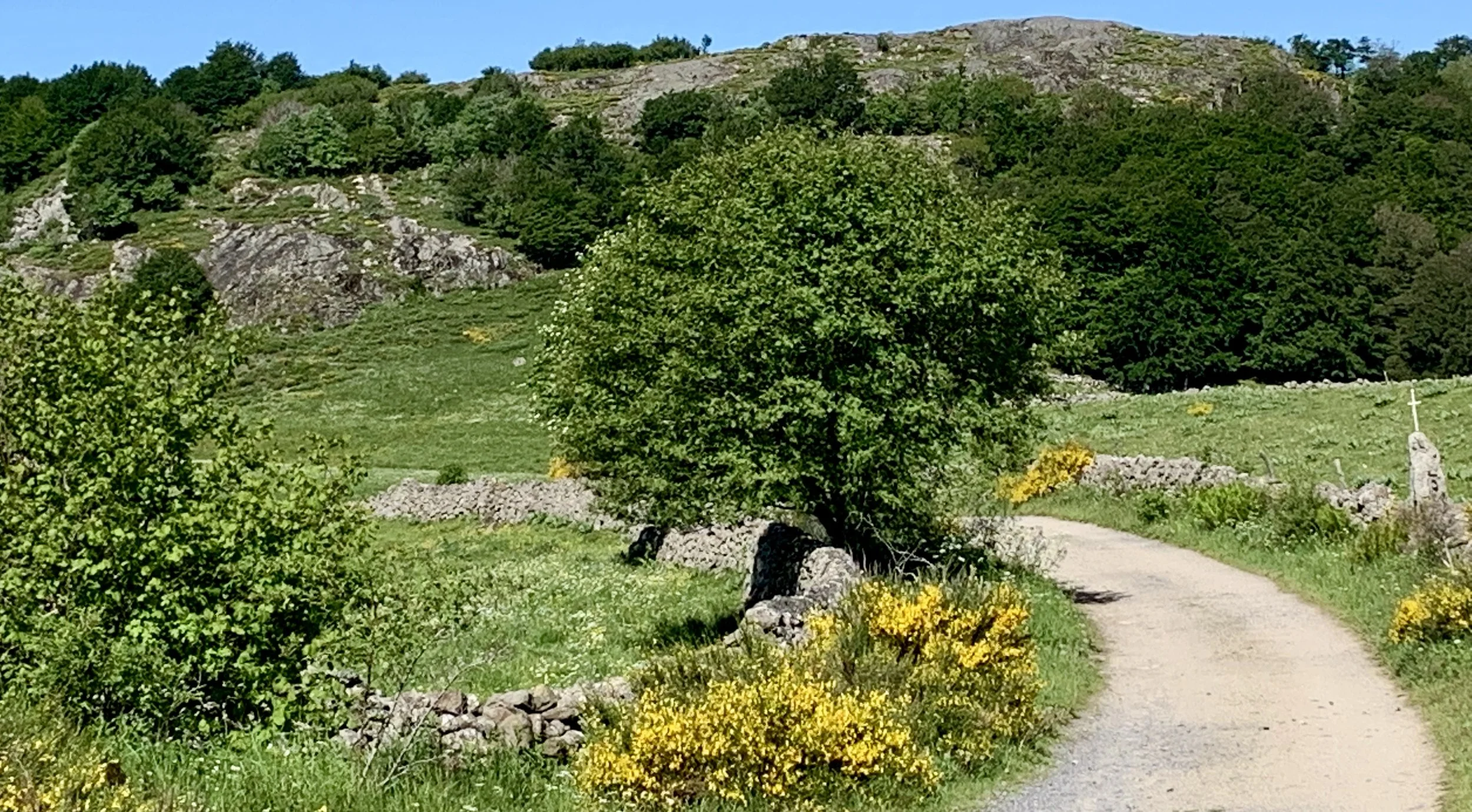
A typical stretch of the Via Podiensis across the Aubrac plateau
The Via Podiensis (Le Puy Camino) is the most popular pilgrimage route in France.
It begins in Le Puy-en-Velay and follows the GR65 trail for approximately 750 km (465 miles) to Saint-Jean-Pied-de-Port, where it joins the Camino Francés into Spain.
Key highlights:
Medieval villages and historic landmarks
Diverse landscapes: Aubrac plateau, valleys, rivers, forests
Rich culinary traditions
Excellent waymarking (GR65 markings)
More than a long-distance walk, the Via Podiensis is often experienced as a deeply personal journey.
Planning Your Camino
When is the best time to walk?
The walking season generally runs from mid-April to mid-October.
May, June, and September are the most popular months, offering mild temperatures and beautiful landscapes.
April can be chilly, especially on the Aubrac plateau, while July and August are warmer but less crowded. October is quieter, though many gîtes begin to close by mid-month.
Walking in winter is not recommended due to weather conditions and limited accommodation availability.
How long does it take?
Most walkers complete the route in 32 to 35 days, averaging 21 to 25 km per day.
Slower walkers may take closer to 45–50 days, while faster walkers can complete it in 25–30 days.
A typical walking day is around 5–7 hours.
Is it difficult?
The Via Podiensis includes hills, valleys, and varied terrain, but it is not a technical hike.
Many people of different ages and fitness levels complete it each year.
With proper pacing, rest, and preparation, it is accessible to most walkers.
Listening to your body and gradually building distance are key.
Am I too old to walk it?
Age is not a limiting factor.
Many people in their 60s, 70s, and even 80s successfully walk the route.
What matters most is preparation, pacing, and allowing time to rest.
You will also naturally build strength as you walk.
How should I train?
Preparation should focus on consistency rather than intensity.
Walking regularly is the most effective training. Aim for frequent walks and gradually increase distance.
Complement this with:
cardio (cycling, swimming)
strength (stairs, hills)
flexibility (stretching)
Proper footwear and a well-fitted backpack are essential.
Getting There & Navigation
How do I get to Le Puy-en-Velay?
Two ways from Paris by train:
direct from CDG airport to Lyon, then to Le Puy-en-Velay.
and, in Paris from Gare de Lyon to Saint-Étienne, then a regional train to Le Puy-en-Velay, or Paris direct to Lyon, then to Le Puy-en-Velay.
Fly direct to Lyon, take the Rhône Express to Part-Dieu station, then train connections via Saint-Étienne to Le Puy.
Planning tools include:
Trainline
SNCF
Rome2Rio
How do I navigate the route?
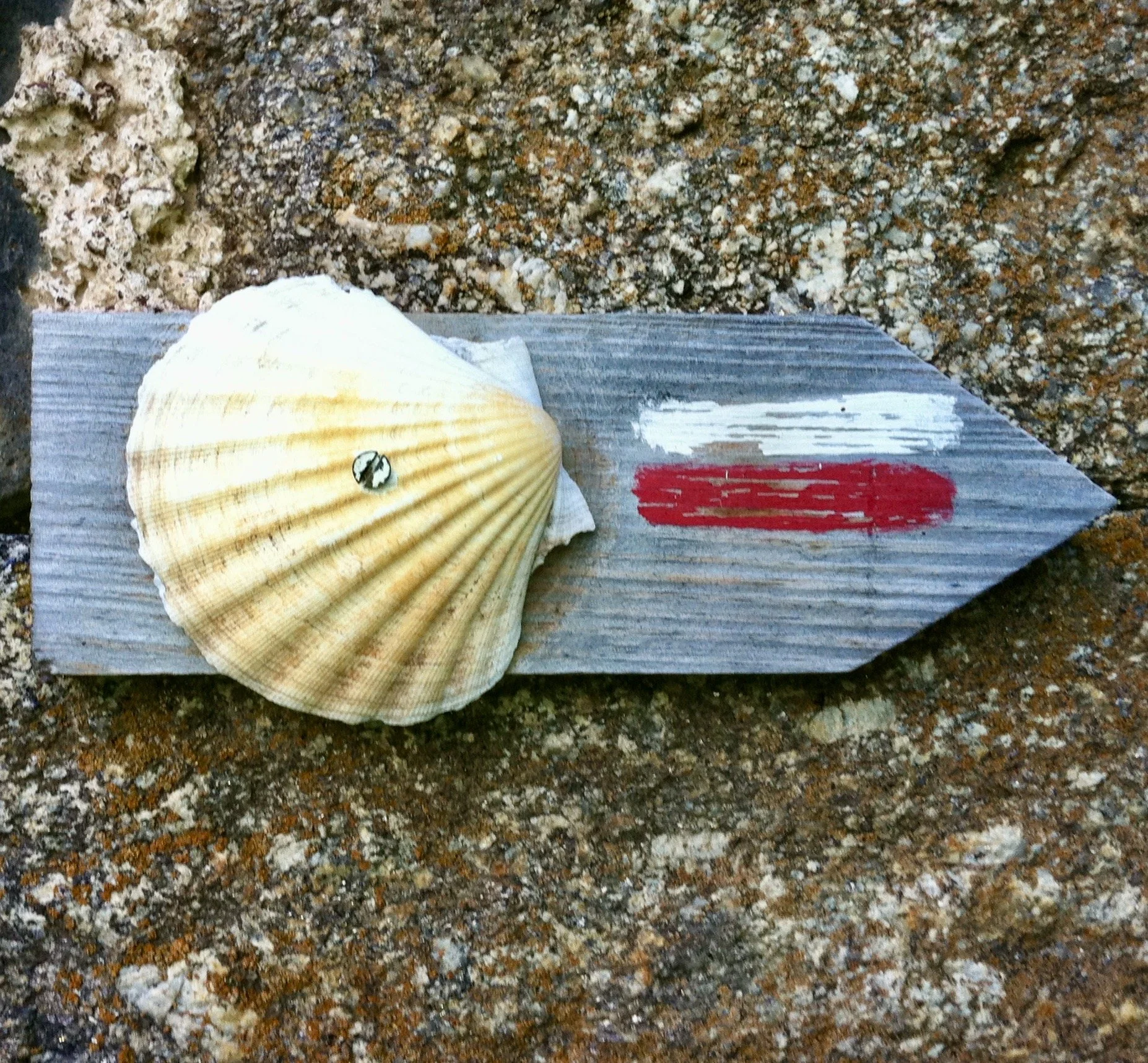
The GR65 is extremely well marked with white and red stripes.
Waymarking is reliable and easy to follow.
Signposts are common at intersections, and it is rare to get lost unless distracted.
Accommodation
What are gîtes?
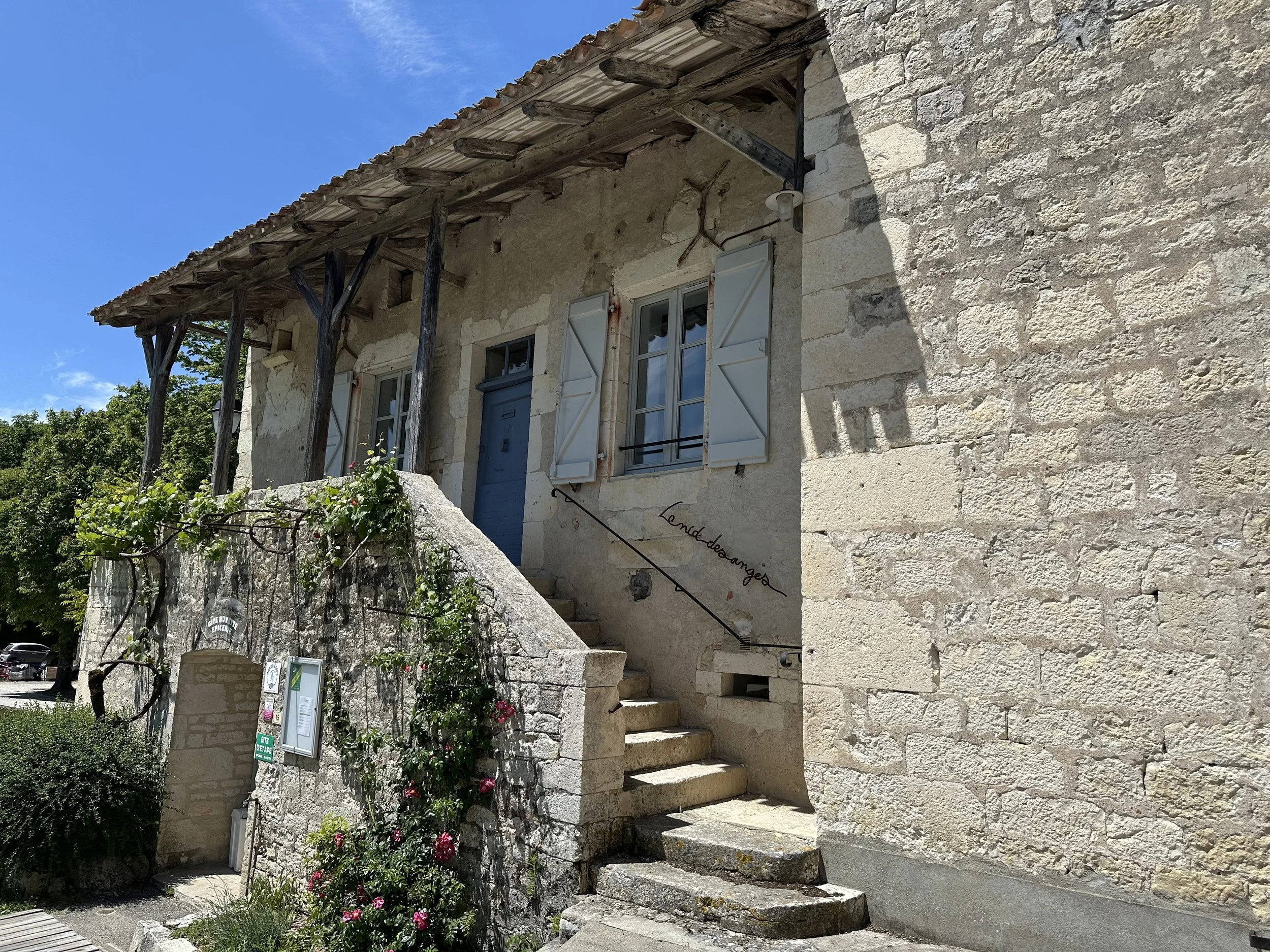
Gîtes are the main form of accommodation along the route.
They range from simple municipal lodgings to privately run homes and religious accommodations.
Most offer shared meals and a communal experience that reflects the spirit of the Camino.
Many gîtes have private rooms. You easily see which in Rob’s guide.
Do I need to book in advance?
It is recommended to book the first 3–5 nights.
After that, booking 1–3 days ahead provides flexibility.
Avoid planning every stage in advance to allow for changes in pace and experience.
Practical Information
What services are available?
Services such as food, shops, pharmacies, and ATMs are available along the route, though not always where you expect them.
French shops often close midday and on Sundays and Mondays, so planning ahead is helpful.
How do I pay for things?
Cash is still widely used.
Carry approximately 400–500 euros and withdraw more along the way.
Cards are increasingly accepted but not everywhere.
How much does it cost?
The average cost is 50–60 euros per day, when staying Demi-Pension (DP)with bed, dinner, and breakfast included, and a budget for breaks during the day.
It is also easy to walk on a reduced budget, around 35 euros, by paying for the night only (many gîtes offer this) and self-catering.
Camp which is easy, and you can reduce your budget even more
A full Camino may cost between 1200 and 3000 euros depending on style.
Is water available?
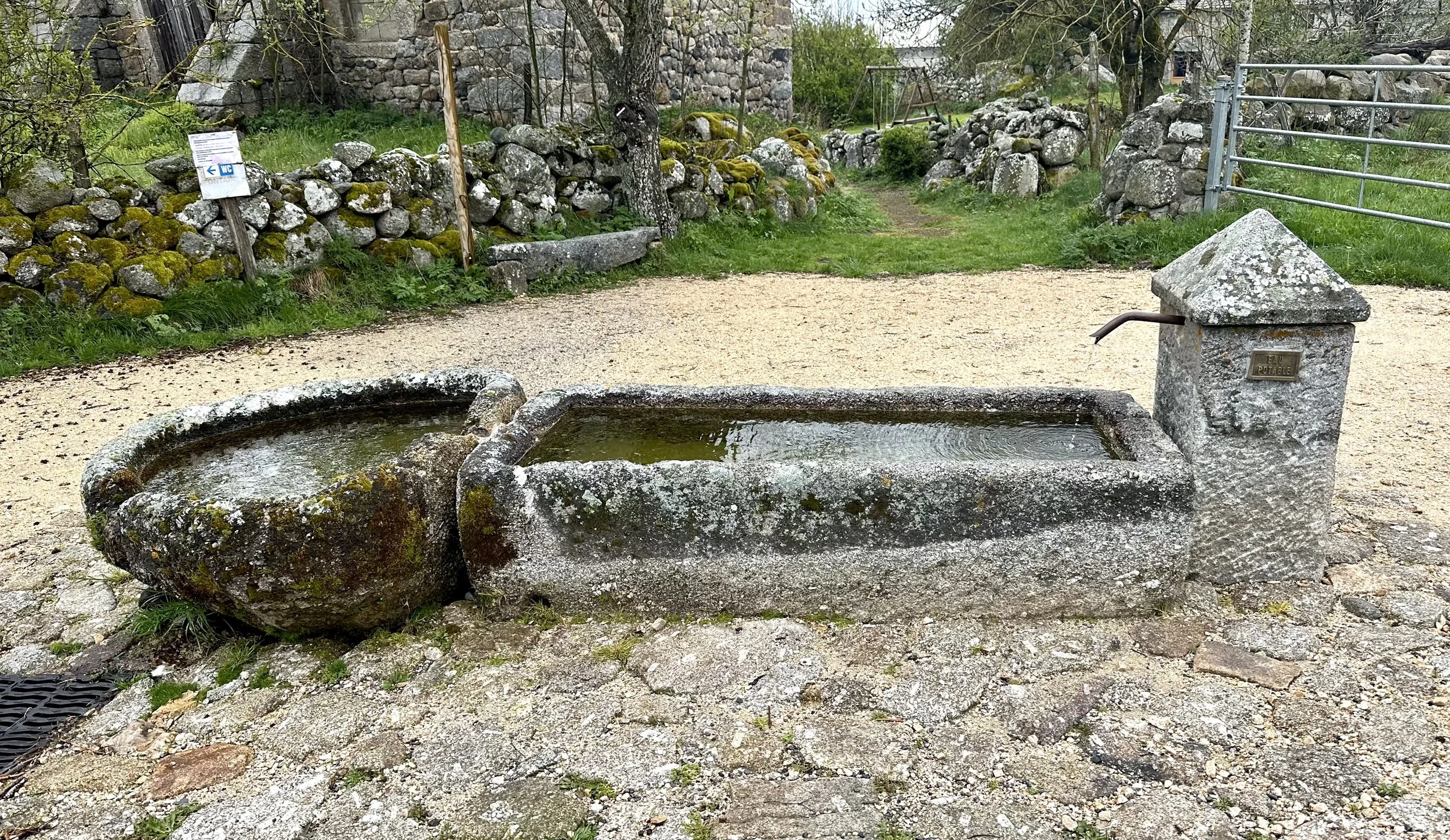
Potable water is widely available along the route.
You can refill at fountains, villages, and shops. Cemeteries often have water taps.
Apps like FreeTaps can help locate sources.
Is it safe?
The Via Podiensis is considered very safe, including for solo walkers and women.
Many people walk alone without issue.
Do I need to speak French?
Speaking French is not required, but it is helpful.
Basic phrases improve interactions and enhance the experience.
Locals appreciate the effort, especially in rural areas.
Do I need a pilgrim passport?
A pilgrim passport is not required in France for accommodation.
However, if you continue to Santiago, you will need one to receive the Compostela.
It can be obtained at Le Puy Cathedral.
Logistics & Extras
Are there luggage transport services?
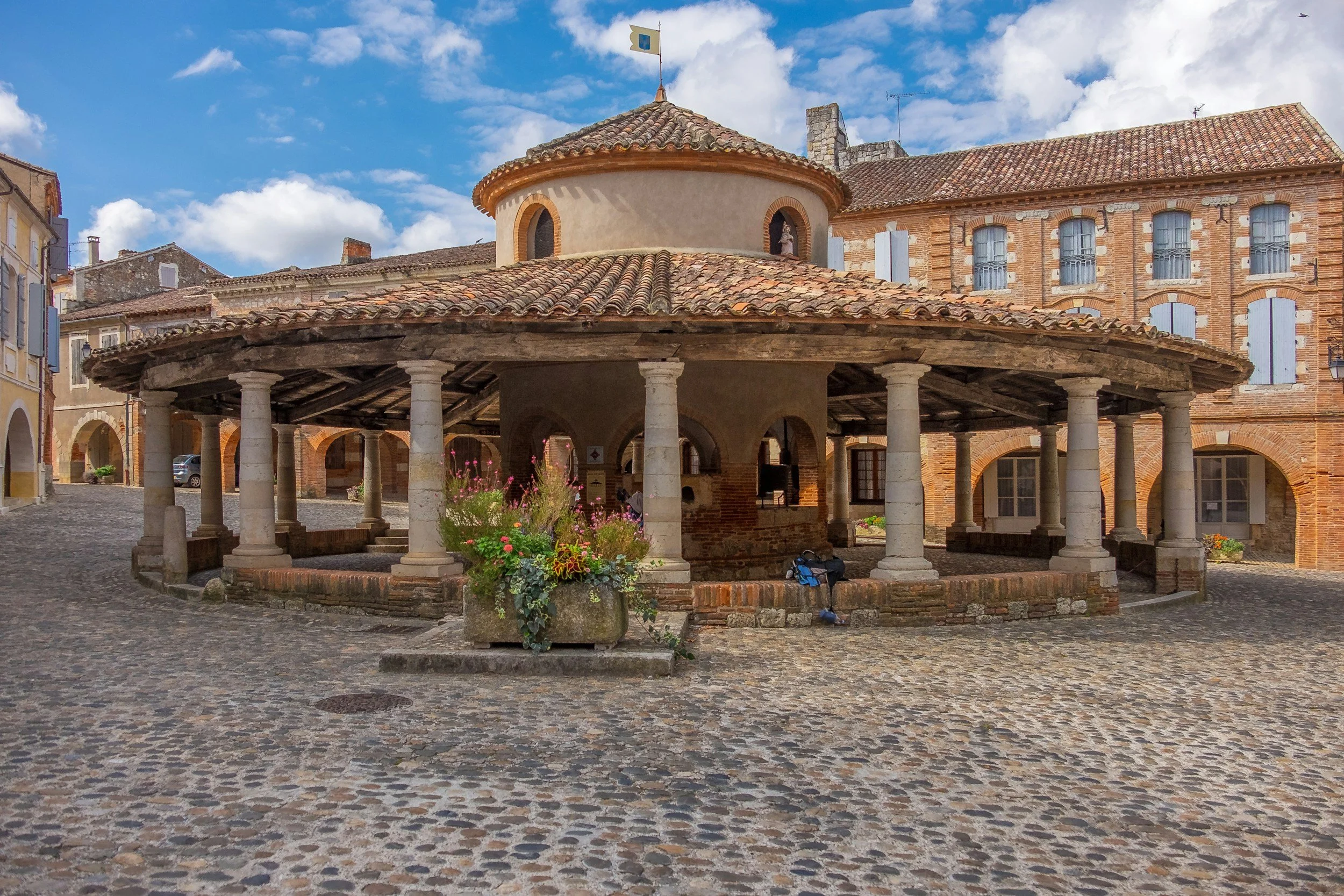
Yes, several companies transport bags between stages.
These include:
La Malle Postale
Les Valises de Saint-Jacques
And the Compostelle Bus transports people
Mobile data and connectivity
You can use your home provider, a French SIM card (such as Orange), or an eSIM provider.
Wi-Fi is widely available in gîtes, cafés, and tourist offices.
Market days along the route
Weekly markets are common in towns along the route.
They offer fresh produce, local specialties, and a vibrant cultural experience.
See Rob’s Guide for where and when markets are held.
Can I camp?
Camping is widely possible along the Via Podiensis.
Many gîtes allow tents, and campsites are available.
Wild camping is permitted in some areas, with restrictions.
Experience
Food and culture on the Via Podiensis
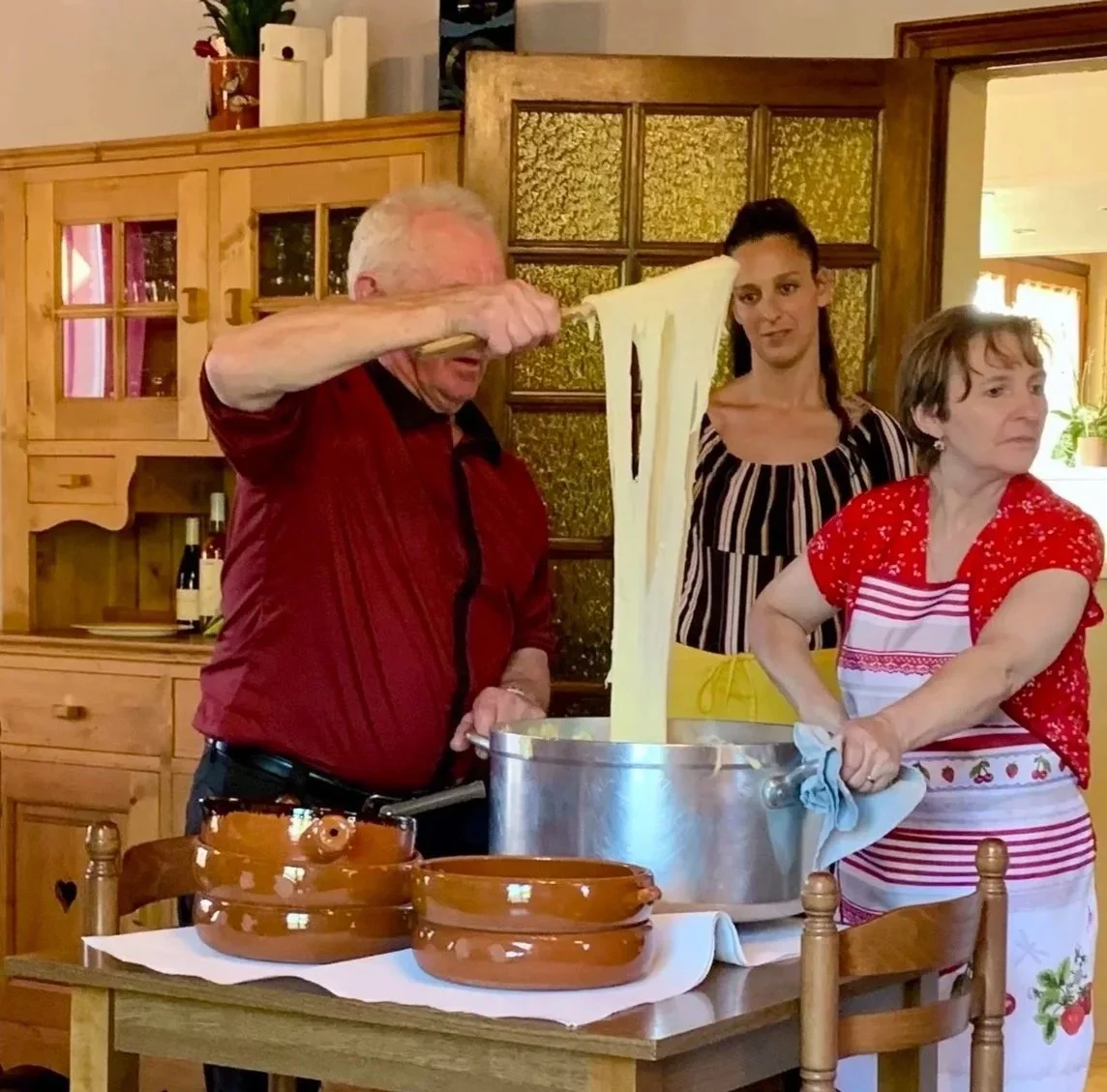
The route is also a culinary journey through regional France.
Specialties include:
aligot
duck dishes
Cahors wine
regional cheeses
Each region offers distinct flavors and traditions.
Guide
Our guide to the Via Podiensis
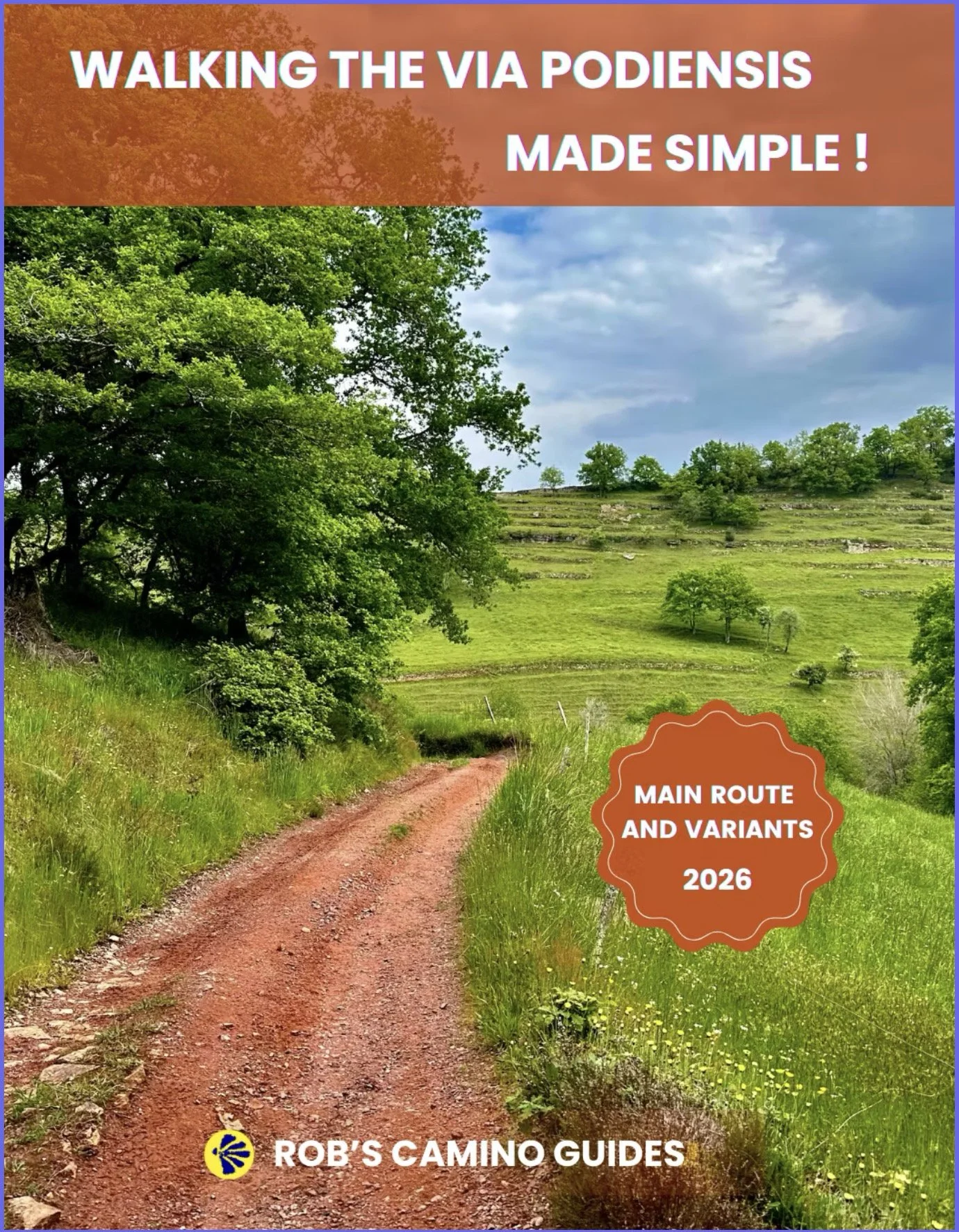
Our guides are designed to be simple, practical, and comprehensive.
They include:
accommodation listings
services and facilities
distances between stages
planning tools
Available as downloadable PDFs for easy use on the Camino.