Finding accommodation on the Via Podiensis is part of the journey itself. Along the Le Puy route (GR65), pilgrims stay in gîtes—places that are far more than simple lodging.
Whether you are planning your Camino or already walking, understanding how gîtes work—how to book them, what to expect, and how they differ from Spanish albergues—can make your journey feel lighter and more fluid.
This guide brings together everything you need to know about Via Podiensis accommodation, so you can walk with confidence and openness.
What Is a Gîte on the Via Podiensis?
A gîte is a form of pilgrim accommodation in France, often compared to a small, welcoming bed and breakfast.
But that description doesn’t quite capture it.
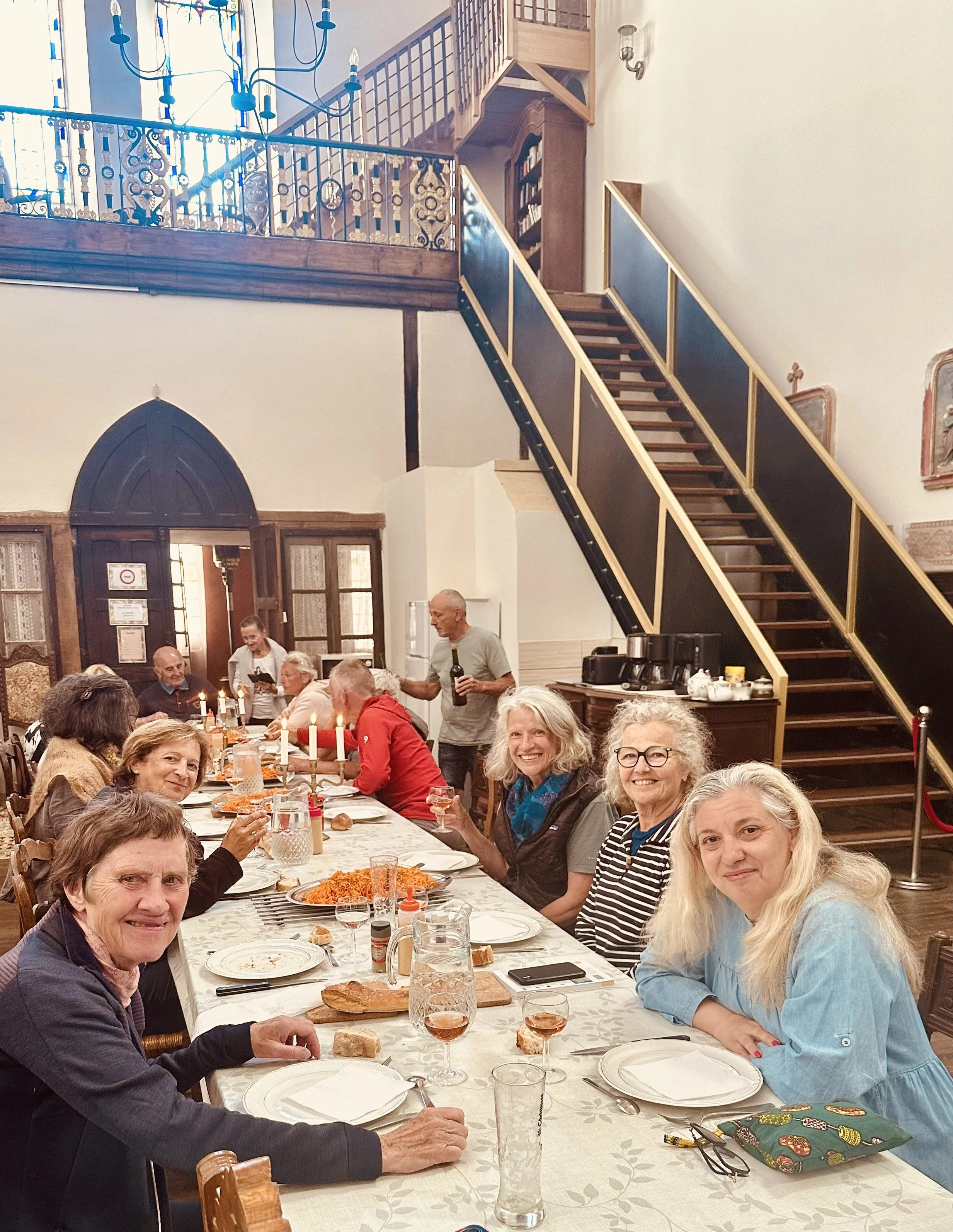
Gîtes on the Camino Le Puy offer something quieter and more human—shared tables, simple comfort, and the presence of others walking the same path. Many offer demi-pension (dinner and breakfast), and evenings often unfold slowly, in conversation, over local food and wine.
They are different from Spanish albergues.
A little more space. A little more stillness.
And often, a sense of being received rather than simply hosted.
Types of Gîtes on the Via Podiensis (GR65)
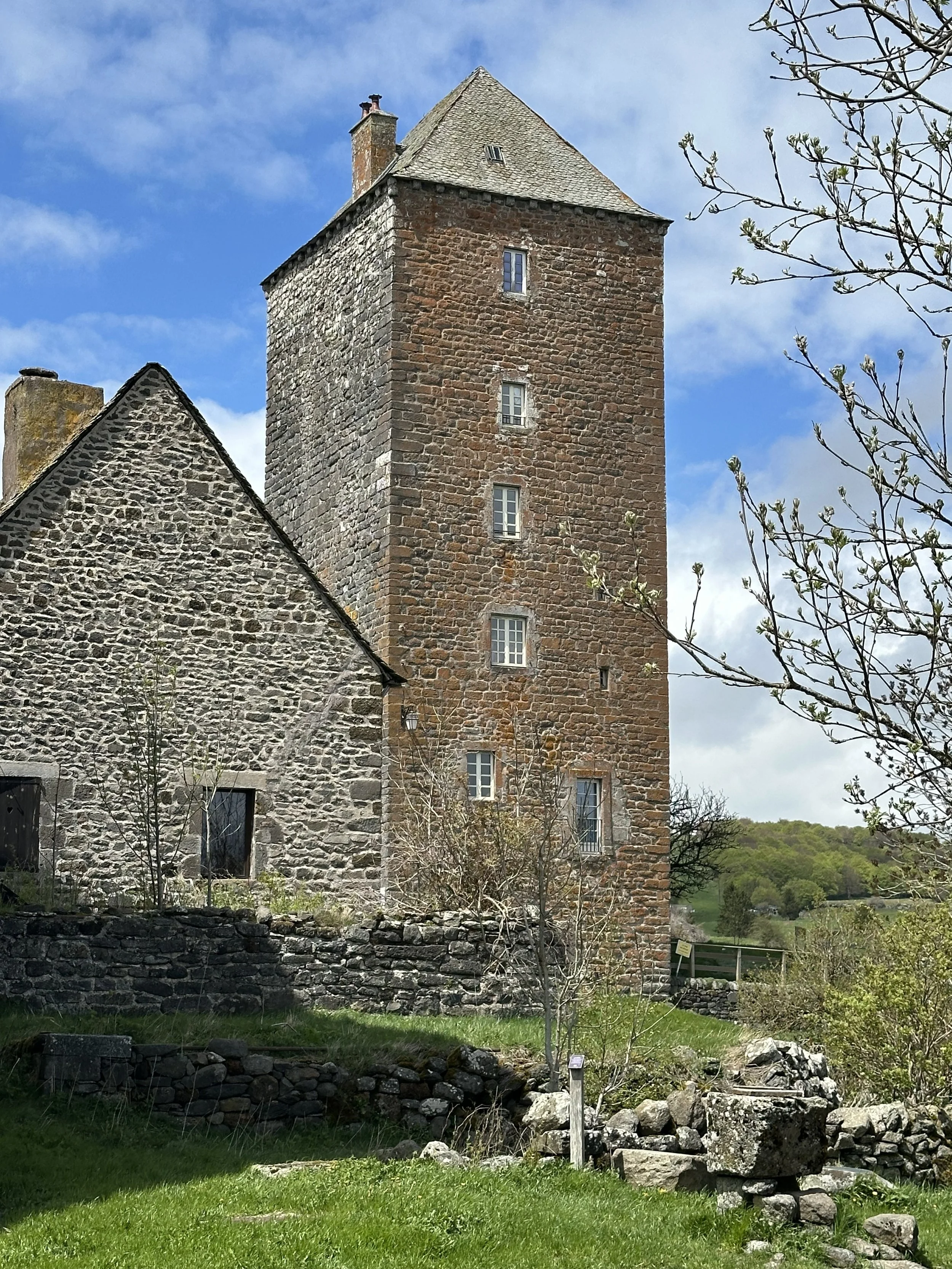
1. Municipal Gîtes
Run by local villages, municipal gîtes are often the most budget-friendly option.
Simple and practical
Sometimes self-catering, sometimes with meals
Often located in historic or characterful buildings
You might find yourself staying:
in a village with views of a twisted church steeple in Saint-Côme-d’Olt
in a medieval tower on the Aubrac plateau
or in a quiet garden setting in Auvillar
They are modest, but often full of quiet charm.
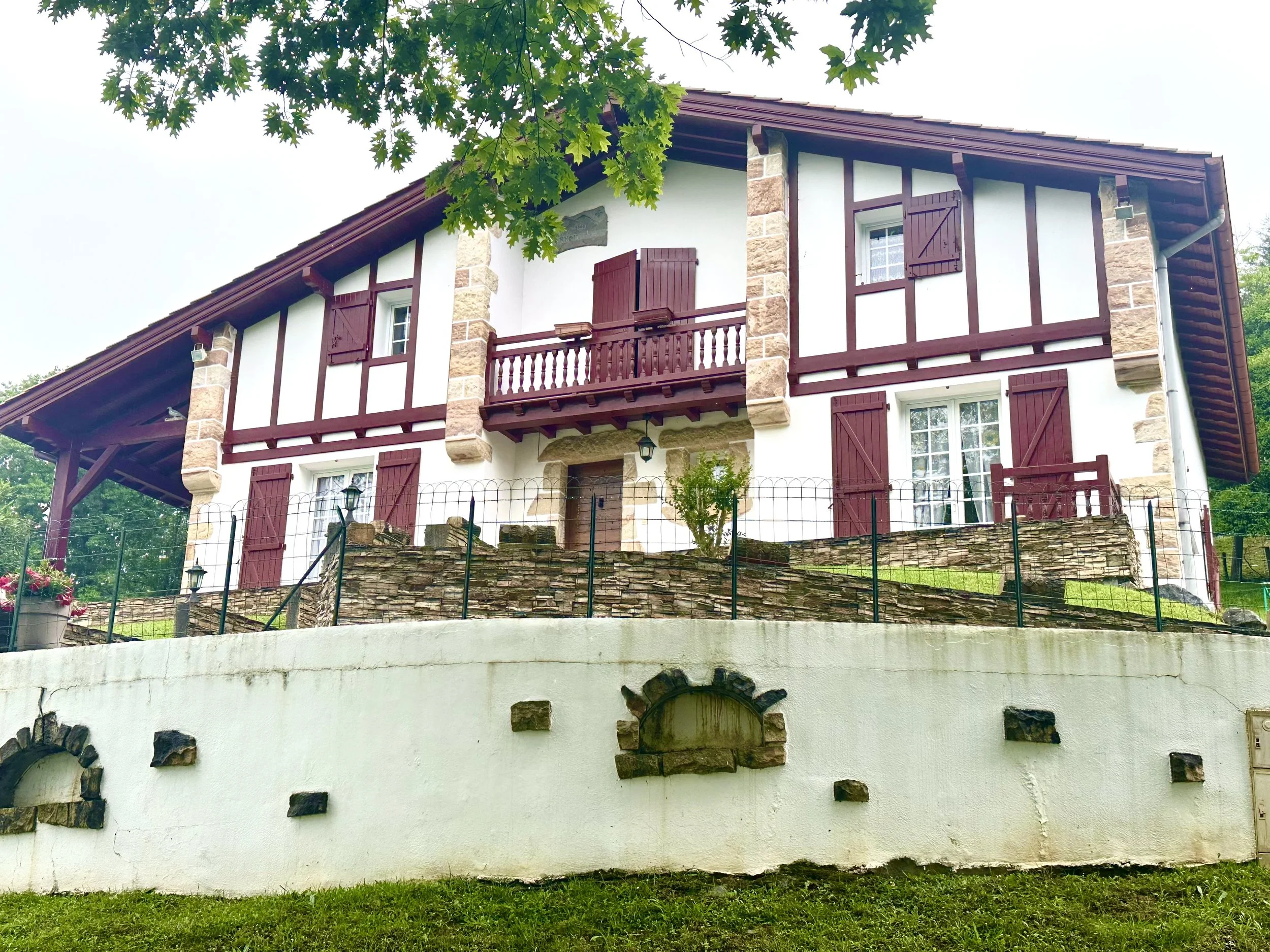
2. Private Gîtes
Privately owned gîtes are often run by former pilgrims—and you can feel it.
Warm, personal welcome
Shared meals with local ingredients
A feeling of being in someone’s home rather than passing through
Evenings here tend to linger. Conversations stretch. And something of the Camino begins to take root.
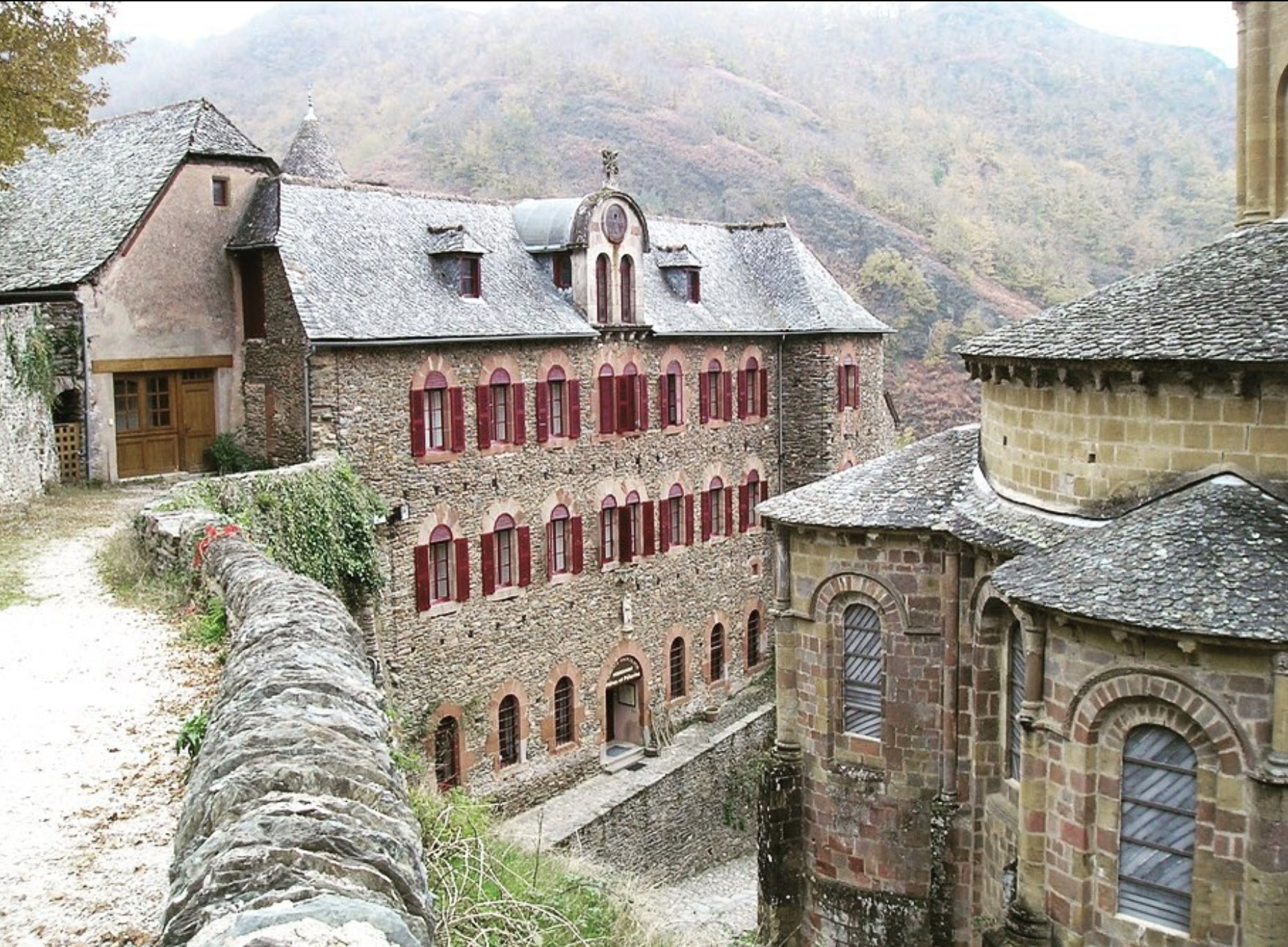
3. Parochial Gîtes
Connected to churches or abbeys, these are often simpler, more contemplative spaces.
Basic but atmospheric
Sometimes deeply quiet
Occasionally unforgettable
Staying near the abbey in Conques, for example, has been described as almost otherworldly.
Not comfortable in the conventional sense—but meaningful in a way that stays with you.
Do Gîtes Offer Meals on the Camino Le Puy?
Yes—many do, and for many pilgrims, this becomes one of the most memorable parts of the journey.
In private gîtes especially, dinners are often shared:
locally grown ingredients
simple, generous cooking
wine on the table
stories exchanged between strangers who won’t remain strangers for long
One pilgrim described a five-course vegan meal near Decazeville, followed by a candle-lit blessing.
Moments like these are not unusual.
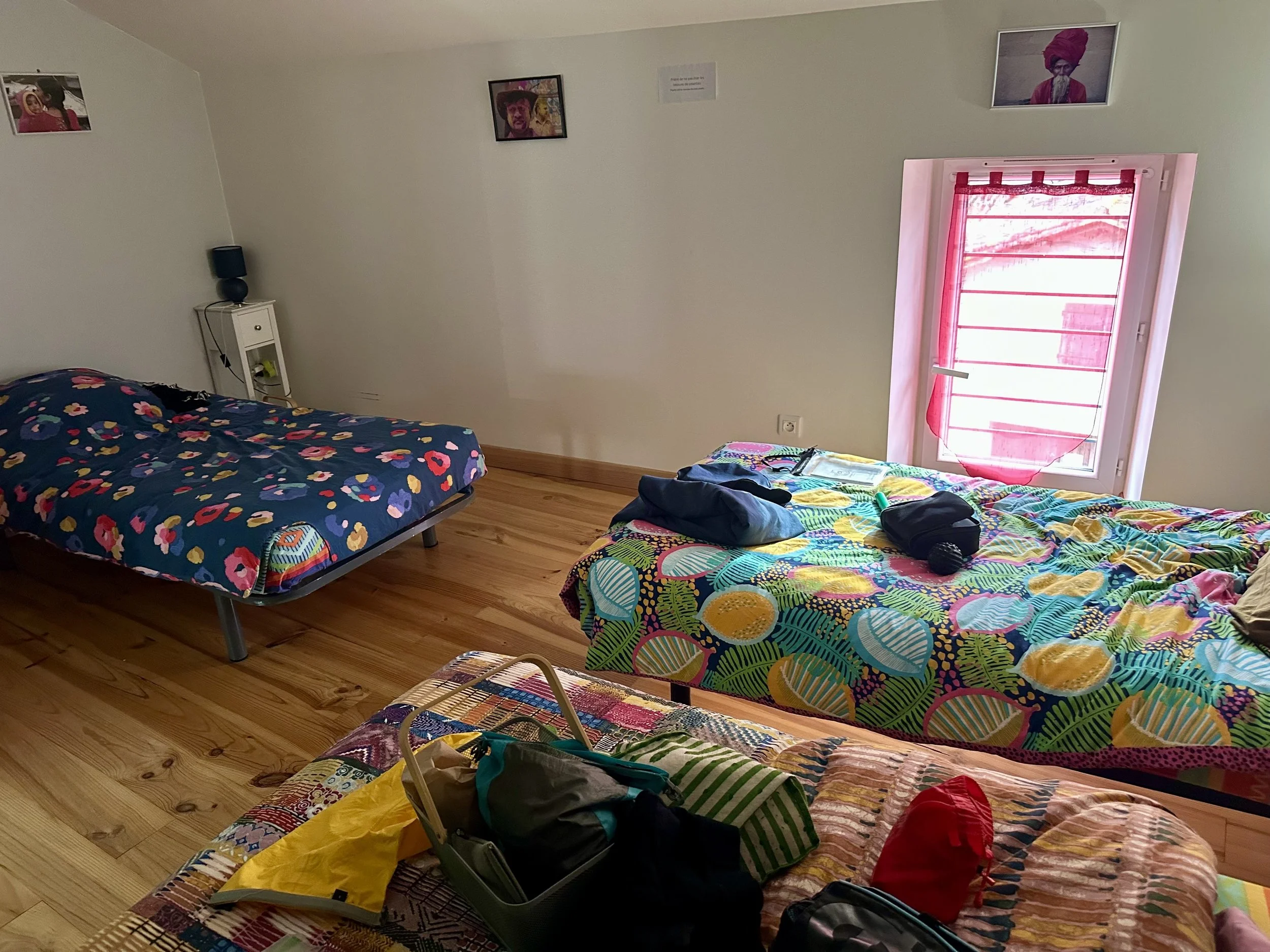
What Are Gîte Rooms Like?
Most gîtes on the Via Podiensis offer small shared rooms rather than large dormitories.
2–6 single beds per room
Bunk beds are rare
Blankets are provided
Bring a lightweight sleeping bag liner (sac à viande)
Private rooms are sometimes available—but it’s best to reserve ahead if this matters to you.
Facilities in Gîtes on the Via Podiensis
While each place is different, most offer:
Showers and shared bathrooms
Wi-Fi (in many, but not all)
Laundry options (sometimes)
Communal kitchens in municipal gîtes
Dinner (demi-pension) in many private gîtes
Check-in is usually between 3:00 and 4:00 pm.
And often, there is a natural rhythm to the evening: arrival, rest, meal, quiet.
How to Book Gîtes on the Via Podiensis
Booking is usually simple and direct.
You can contact gîtes via:
Phone
Email
Text or WhatsApp (very common)
There is something refreshingly human about this—no platforms, no automation, just a message exchanged.
Do You Need to Book in Advance?
It depends on the time of year.
May (busy season): book ahead, especially from Le Puy to Conques
Other months: book the first few nights, then 2–3 days ahead as you walk
A helpful rhythm is to:
begin with a little structure
then allow the path to shape the rest
Starting mid-week from Le Puy can also help you avoid the weekend surge.
Where to Stay on the GR65: Finding the Right Gîte
If you want a complete, reliable list of accommodation on the Via Podiensis, Rob Forrester’s guide brings everything together in one place:
All municipal, private, and parochial gîtes
Up-to-date contact details
Distances between stages
Services in each village
Maps and elevation profiles
If you want to walk without second-guessing where you’ll sleep each night, having this kind of resource makes a quiet but real difference.
Why Stay in Gîtes on the Camino Le Puy?
Because this is where the Camino becomes something more than a route.
In gîtes, you:
meet people you didn’t expect to meet
share meals you didn’t plan
hear stories that stay with you
And somewhere along the way, a gîte stops being just a place to sleep.
It becomes part of the path itself.
It's in gîtes that you find the true pilgrim spirit
Camino Le Puy Accommodation FAQ
What is a gîte on the Via Podiensis?
A gîte is a small pilgrim accommodation in France, often with dinner included and a more intimate, welcoming atmosphere than a typical hostel.
What types of gîtes are there on the GR65?
Municipal, private, and parochial gîtes.
Do gîtes have bunk beds?
Usually not. Most have small rooms with single beds.
Do I need to bring bedding?
Blankets are provided. Bring a lightweight sleeping bag liner.
Do gîtes offer meals?
Yes—many offer shared dinners (demi-pension), often a highlight of the day.
Do I need to book in advance?
In May, yes—especially early stages. Otherwise, booking a few days ahead is enough.
Are gîtes cash only?
Many prefer cash, though some accept cards. It’s best to check.
Do I need a pilgrim credential?
Some gîtes ask for one, but many welcome all walkers.
Can I walk without booking accommodation?
Outside peak season, yes—but booking ahead gives peace of mind.
About the Author
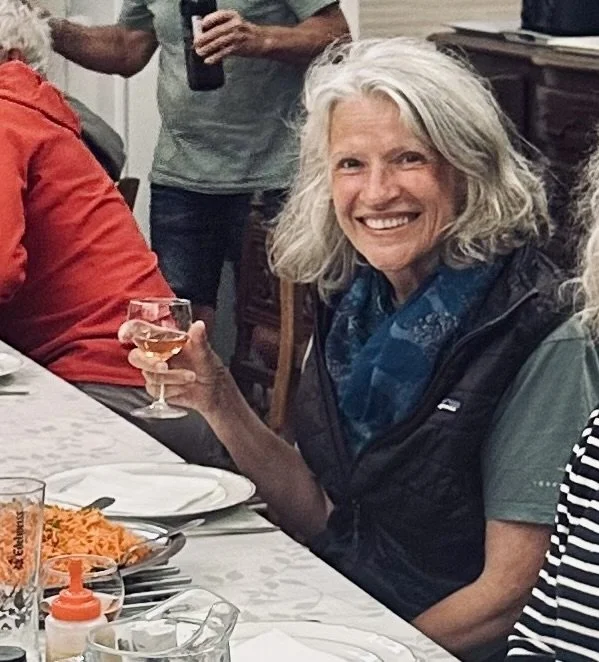
Kate Forrester is a writer and pilgrim shaped by years of walking the Via Podiensis.
She has walked the route multiple times and supports a global community of pilgrims through her Camino Le Puy (GR65) group, as well as through her writing and resources.
Her work is rooted in lived experience, quiet observation, and a deep respect for the path and those who walk it.